Iran Ceasefire Sparks Huge Market Moves: 3-Minutes MLIV
Speakers
Anna Edwards
— Anchor, Bloomberg TV (London)
Guy Johnson
— Anchor, Bloomberg
Paul Dobson
— Executive Editor, Bloomberg
Summary
- Markets are reacting to a reported ceasefire between Iran and Israel, driving a significant risk-on move.
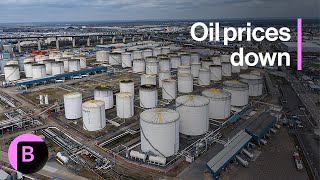
- The primary channel is through energy prices: Brent Crude and WTI posted their largest daily drops since the COVID era, and natural gas prices also fell.
- Lower energy prices are seen as boosting risk appetite for equities (Asian markets hit 3-week highs), reducing inflationary pressure, and supporting bond markets (prices up, yields down).
- The market is repricing central bank expectations, reducing bets on hikes and increasing expectations for Fed easing later in the year.
- The US dollar is weakening as a safe-haven flow reverses, while emerging market currencies are strengthening.
- Credit markets are responding with tighter spreads and new issuance, suggesting a window of opportunity for borrowers.
- Pakistan's equity market is a standout performer due to its role as an intermediary in the talks.
- Critical Uncertainty (Paul Dobson): The sustainability of the move depends entirely on the ceasefire holding and, crucially, the physical resumption of shipping through the Strait of Hormuz, where ~800 laden cargoes are waiting.
- A secondary point notes that the market is interpreting lower energy costs as potentially allowing central banks (like the RBA) to hold off on further rate hikes, which is also bond-positive.
Ideas
The speaker explicitly states that "big declines in crude oil, WTI, the largest drop since the COVID era" occurred following the ceasefire agreement, linking it directly to the hope that "energy will be able to flow back into the global economy." The ceasefire reduces geopolitical risk premium and expects increased physical supply, leading to lower prices. Lower energy costs are the foundational driver for all other market moves described (equities up, bonds up, dollar down). The causal chain and described price action imply a bearish near-term outlook for oil prices, making it an unattractive long bet until the physical flow is confirmed. Direction is AVOID as the thesis is about the catalyst for a price drop, not an active short recommendation. The ceasefire breaks down, or shipments do not resume through the Strait of Hormuz as anticipated, reversing the price decline.
The speaker states lower energy prices "reduces the inflationary impact in the economy. And so that's good news for bond markets," noting people are "taking away bets that central banks might hike" and pricing in potential Fed easing. Reduced inflationary pressure from lower energy costs decreases the perceived need for central banks to maintain hawkish policy, leading to lower yields and higher bond prices. This is reinforced by the observation of a "big day" for bonds. The setup is positive for bonds, but the direction is WATCH because the thesis' validity is explicitly conditional on the ceasefire holding and physical supply resuming, as outlined by another speaker. The ceasefire or supply resumption fails, reigniting inflationary concerns and central bank hawkishness.
The speaker explicitly notes "a much weaker dollar. The dollar had been a haven pre this..." and links it to the broader risk-on move driven by the ceasefire. The reduction in geopolitical tension causes a reversal of safe-haven flows out of the US dollar, while simultaneously boosting emerging market currencies and risk assets globally. The environment described is bearish for the dollar in the near term. Direction is AVOID, as the dollar is portrayed as losing its haven bid in this specific scenario, making it an unattractive long. The geopolitical situation deteriorates again, triggering a renewed flight to safety and dollar strength.
Up Next


This Bloomberg Markets video, published April 08, 2026, features Guy Johnson discussing WTI, TLT, USD. 3 trade ideas extracted by AI with direction and confidence scoring.
Speakers: Guy Johnson · Tickers: WTI, TLT, USD