Iran War: Trump Agrees to Two-Week Iran Ceasefire, Oil Slumps | Daybreak Europe 4/8/2026
Speakers
Lizzy Burden
— Crypto Reporter, Bloomberg News
Winnie
— Bloomberg Correspondent (Asia Markets)
Mark Cranfield
— Cross Asset Strategist, Bloomberg
Laura Davison
— Washington Bureau Chief, Bloomberg
Jamil Jaffer
— Founder and Executive Director, National Security Institute
Sophie Huynh
— Reporter, The Block
Anthony DiPaulo
— Bloomberg Energy Reporter
Oliver Crook
— Chief European Correspondent, Bloomberg
Summary
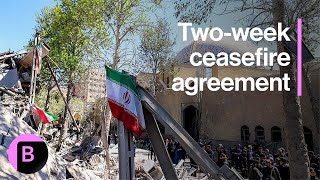
- The U.S. and Iran agreed to a two-week ceasefire, conditional on Iran reopening the Strait of Hormuz. The deal is tenuous, with details still emerging.
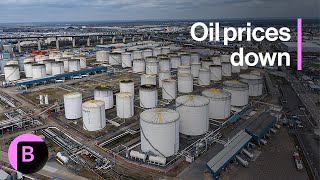
- Oil prices plunged: Brent and WTI fell below $100/barrel, with Brent down ~14%, the largest drop in almost six years, on relief that the critical chokepoint may reopen.
- Global equities surged: MSCI Asia Pacific up nearly 5%, European futures up over 5%, S&P futures up 2.5%, led by Korean and Japanese markets, particularly technology sectors.
- Bond yields fell and gold rose as traders revived Fed rate cut bets; the 10-year Treasury yield dropped to ~4.23%, and gold gained over 2% to ~$4,803/oz.
- Physical oil flow is the key test: a backlog of ~800 vessels is stranded in the Persian Gulf; Iran may assert sovereignty and charge transit tolls, a potential major stumbling block.
- Sophie Huynh (BNP Paribas AM) viewed a ceasefire as her base case but remains cautious: the equity rally may not be sustainable, economic damage may not be fully priced in, and consensus earnings growth forecasts have seen no downgrades.
- Huynh expects 2-3 Fed rate cuts this year, but notes a higher oil price premium may persist due to elevated shipping costs and insurance.
- Huynh sees gold as a necessary portfolio allocation to hedge against currency debasement, supported by continued central bank buying and a thematic shift away from the U.S. dollar.
- Geopolitical risks remain high: the ceasefire is fragile; parties are far apart on core issues (nuclear program, proxy support); Israel states the deal does not include Lebanon and continues operations there.
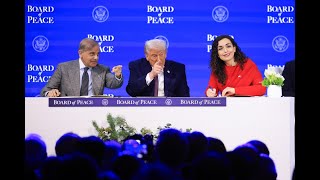
- The ceasefire lasts 14 days, with peace talks scheduled in Islamabad on Friday; the U.S. has not yet confirmed its attendance.