Bloomberg Surveillance 4/1/2026
Speakers
Jonathan Ferro
— Anchor, Bloomberg Television
Lisa Abramowicz
— Anchor, Bloomberg Television and Radio
Annmarie Hordern
— Reporter, Bloomberg
David Stubbs
— AlphaCore Wealth Advisory
Ed Mills
— Washington Policy Analyst, Raymond James
Steven Schork
— President, The Schork Group
Nela Richardson
— Chief Economist, ADP
Jim Zelter
— Co-President of Apollo Global Management
Mike Pyle
— BlackRock
Claudio Irigoyen
— Head of Global Economics, BofA Securities
Sarah Hunt
— Chief Market Strategist, Alpine Saxon Woods
Roukaya Ibrahim
— Chief Commodity & Energy Strategist, BCA Research
Alejandra Grindal
— Chief Economist, Ned Davis Research
Ohsung Kwon
— Chief Equity Strategist, Wells Fargo
Summary
- Conflict & Oil Price Outlook: President Trump's address extended the expected timeline for the Iran conflict by "two to three weeks," with no concrete plan to reopen the Strait of Hormuz, dashing market hopes for a quick resolution. Analysts warn the resulting oil supply disruption could persist for months even after hostilities end.
- U.S. Economic Insulation vs. Global Shock: The U.S. is seen as relatively insulated (energy <3% of CPI, net exporter, strong consumer/business balance sheets) but not immune. The shock is expected to be severe internationally, particularly for energy-dependent Asian and European economies, potentially leading to fuel rationing and recessionary pressures.
- Inflation & Central Bank Risk: The oil shock is projected to add ~90 bps to headline inflation in the U.S. and Europe. A key risk is central banks, particularly the ECB, feeling compelled to hike rates to defend credibility, which could turn a supply shock into a non-linear economic downturn.
- Earnings & Market Valuation Crosscurrents: Higher energy prices pose a clear challenge to corporate margins and consumer spending. While recent multiple compression makes some valuations look attractive, the uncertain duration of the shock complicates the earnings outlook for 2026, making it a "great excuse" for companies to avoid giving guidance.
- Labor Market Strength Pre-Shock: Data (ADP, jobless claims, ISM) indicates the U.S. economy entered the shock with significant momentum and a tight labor market, particularly in wages for hourly workers and job-changers, providing a buffer but also inflationary potential.
- Private Credit Perspective: Apollo's Jim Zelter argues intense focus on BDC redemptions is missing the bigger picture of a robust U.S. economy, strong M&A/IG issuance, and the long-term, demographic-driven demand for private credit as an asset class.
- Sectoral Shifts: Health care is highlighted as the dominant U.S. job creation sector. The AI/tech capex cycle faces a new conflict with rising energy costs and potential electricity grid constraints, as seen with Maine's data center moratorium.
- Persistent Risk Premium: Even after a resolution, a sustained risk premium is expected for energy and related commodities (aluminum, fertilizer) from the region, with a structural shift towards stockpiling for resilience.
Ideas
Schork states that with the current disruption continuing for three more weeks, the path for oil prices is higher towards his "second-tier envelope" of $130-$134 a barrel. He notes strong buying interest from Asia/Europe and that U.S. prices are now catching up to global prices. The closure of the Strait of Hormuz has created a physical supply shortage. The extension of hostilities means this shortage will worsen over the next few weeks, forcing buyers to bid prices higher, especially for available U.S. crude. The fundamental setup of prolonged physical disruption, strong global demand for available barrels, and the widening arbitrage support a bullish, higher-for-longer price outlook. A swift, unexpected diplomatic resolution that reopens the Strait much sooner than anticipated.
Hunt states higher energy prices pose a challenge to earnings and the consumer. She is skeptical earnings will go up for 2026 given the rising oil price curve and sees this feeding through to earnings, which the market won't like. Elevated energy costs act as a tax on consumers, reducing disposable income available for discretionary purchases. Companies in consumer durables face margin pressure from higher input costs and potentially weaker demand. The sector is exposed to the negative growth and margin implications of the energy shock, making it less attractive. A rapid decline in energy prices that restores consumer purchasing power faster than expected.
Ibrahim states that as the Strait of Hormuz closure prolongs, it will lead to a more long-lasting disruption that will push up prices across the futures curve. She also notes the need for weeks to over a month for regional production to return to pre-crisis levels post-reopening. The disruption is creating a physical supply deficit and drawing down inventories. The extended duration suggests the market will need to price in not just current shortages but also a slower recovery and a persistent geopolitical risk premium. The sector is in a structurally tighter setup with supportive fundamentals for an extended period, meriting close monitoring for investment opportunities. Severe, rapid demand destruction in Asia/Europe that overwhelms the supply shortfall.
Kwon cut his year-end S&P 500 target, writing, "Other than a firm resolution [to the war], we don't see many upside catalysts and see it skewed more negatively for equities." He identifies inflation as the biggest risk, which the war has exacerbated. The oil shock increases inflationary pressure. This threatens corporate margins, consumer spending power, and could limit or reverse expected monetary easing, creating a headwind for equity valuations and earnings. The conflict has introduced a significant macro risk (inflation) that outweighs potential positive catalysts in the near term, justifying a more cautious stance on the broad equity index. The Federal Reserve tolerates higher inflation (e.g., ~3%) and does not tighten policy, allowing growth and earnings to offset price pressures.
The report highlights airlines like Delta and United down over 4% in pre-market trading due to the impact of higher oil prices. Jet fuel is in short supply in Europe, raising operational costs. Airlines are direct, price-sensitive consumers of refined products (jet fuel). A sharp rise in their primary input cost squeezes margins immediately. The ability to pass these costs to consumers via higher ticket prices is uncertain and could dampen demand. The sector is a direct casualty of the energy shock, facing immediate and severe earnings pressure with limited near-term hedging options. A swift resolution to the conflict leading to a rapid normalization of jet fuel supply and prices.
Up Next


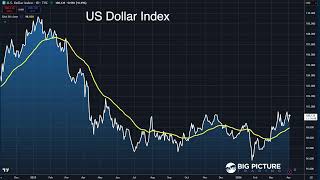


This Bloomberg Markets video, published April 02, 2026, features Steven Schork, Sarah Hunt, Roukaya Ibrahim, Ohsung Kwon, Multiple Analysts discussing WTI, XLY, XLE, SPY, JETS. 5 trade ideas extracted by AI with direction and confidence scoring.
Speakers: Steven Schork, Sarah Hunt, Roukaya Ibrahim, Ohsung Kwon, Multiple Analysts · Tickers: WTI, XLY, XLE, SPY, JETS