Iran War: Trump Threats Dim Hopes For Quick End to Conflict | Daybreak Europe 4/2/2026
Speakers
Vonnie Quinn
— Anchor, Bloomberg
Joumanna Bercetche
— Anchor, Bloomberg
Laura Davis
— Bloomberg Correspondent
Winnie Hsu
— Bloomberg Reporter (Asia Markets)
Mark Cranfield
— Cross Asset Strategist, Bloomberg
Paul Jackson
— Head of Crypto, Blockworks
Manuel
— Deals Reporter (Last Name Not Provided)
Anthony
— Middle East Energy Reporter (Last Name Not Provided)
Mimmin
— Reporter / Correspondent (Last Name Not Provided)
Summary
- President Trump’s prime-time address dimmed hopes for a quick end to the Iran war, vowing to hit Iran "extremely hard" in the next 2-3 weeks, which markets interpreted as hawkish and a reversal of earlier hints at a swift conclusion.
- The speech triggered a sharp risk-off move: oil surged back above $107, global bond yields rose (US 10-year up 5-6 bps, JGB yields up ~8 bps), equity futures fell sharply (Euro Stoxx 50 futures down ~2%), and the dollar strengthened.
- A key market disappointment was the lack of clarity or a U.S. plan to reopen the Strait of Hormuz, with Trump suggesting other countries should "take it," marking a potential shift from longstanding U.S. policy to guarantee the waterway.
- Asian markets sold off aggressively, with the MSCI Asia Pacific index down ~2%, South Korea's KOSPI erasing half its prior gains and briefly halting program trading, and Japan's Nikkei down ~2%. Export-reliant economies like Japan and Korea are particularly hurt by higher oil.
- The poor reception of a Japanese Government Bond (JGB) auction, showing the weakest demand since May, compounded the global bond selloff and raised concerns about upcoming Treasury auctions if geopolitical uncertainty persists.
- Analysts note the market is falling back into the "war trade" pattern seen in March: buying dollars and oil, selling bonds and equities, with broken correlations creating a difficult environment for macro traders.
- High and persistent oil prices above $100 could force central banks (BOJ, Fed) to reconsider rate cuts and potentially hike, especially if next week's U.S. inflation data spikes.
- In corporate news, BYD reported a 645% surge in exports but a 40% slump in domestic sales, leading to a 20% overall drop; the company is leaning heavily on overseas growth.
- Stellantis is in discussions with a Chinese EV maker to use an idled Canadian plant, a direct response to Trump's tariffs, though the deal faces hurdles with unions and potential U.S. retaliation.
- A potential merger between Estée Lauder and Puig is advancing, which would create a luxury beauty giant to rival L'Oreal, structured likely as a stock deal with both founding families retaining significant roles.
Ideas
The speaker states that oil prices staying above $100 is a "pain point" and that markets expected an "averaging down" into a lower trading range after Trump's speech, which did not happen. The failure to get a de-escalation signal from Trump means the "war trade" is back on, with high energy prices seen as "very bad" for growth and inflationary. The prolonged closure of the Strait of Hormuz directly threatens supply. The persistence of high oil prices (above $100) is a primary negative catalyst for bonds, equities, and central bank policy, sustaining the risk-off market regime. A sudden diplomatic breakthrough that reopens the Strait of Hormuz and leads to a rapid drop in oil prices.
The speaker states that Japan and Korea's equity markets are falling harder because they "rely heavily on oil imports from the Middle East," and higher oil prices hurt them more. Companies in the energy minerals sector (e.g., industrial metals, chemicals) are typically heavy energy consumers. Sustained high oil prices act as a direct input cost shock, squeezing margins and making the sector relatively unattractive. The sector is a likely casualty of the ongoing oil price spike, particularly for import-dependent regions, advising an avoid stance. A sharp, sustained drop in the price of oil.
The speaker notes Treasury yields are going up, and a "very bad" JGB auction made losses "a lot worse." He states this is a "bad setup" for European bonds and could be "really nasty" for upcoming Treasury auctions if the situation isn't resolved. Geopolitical uncertainty (prolonged Iran war) fuels inflation fears, driving bond selling. The weak JGB auction demonstrates poor investor appetite amid these fears, creating a negative feedback loop across global bond markets. The combination of geopolitical risk and failed auctions is driving a sustained selloff in global sovereign bonds, pushing yields higher. A rapid de-escalation in Iran that cools inflation expectations and restores demand for sovereign debt.
The speaker observes that in the current "war trade" regime, "oil is the only thing people seem to have any faith in at the moment," and high energy prices are "going to be very bad." The transportation sector (airlines, shipping, logistics) is highly sensitive to fuel costs. Persistently high oil prices directly erode profitability across the sector. In a market regime dominated by high and volatile energy prices, the transportation sector faces strong headwinds and is likely to underperform. A sudden and sustained drop in oil prices, or the ability of companies to fully pass on cost increases to customers.
The speaker reports BYD's exports climbed 645% YoY, but domestic sales slumped 40%, leading to a 20% drop in total sales. The company is now leaning heavily on exports and has raised its export target. BYD is successfully pivoting to overseas markets to offset severe weakness in its home market, where price competition is intense. However, the overall sales decline indicates significant domestic challenges. The story is mixed: strong export execution is a positive, but it's counterbalanced by a sharply deteriorating domestic business. The net effect is unclear, warranting a neutral stance. Escalating trade barriers in key export markets, or a further deepening of the domestic price war in China.
Up Next
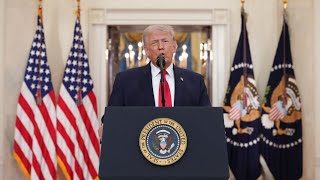
This Bloomberg Markets video, published April 02, 2026, features Mark Cranfield, Winnie Hsu, Mimmin discussing WTI, XLE, TLT, JETS, 1211.HK. 5 trade ideas extracted by AI with direction and confidence scoring.
Speakers: Mark Cranfield, Winnie Hsu, Mimmin · Tickers: WTI, XLE, TLT, JETS, 1211.HK