Ideas
There is a "bid for the US Dollar." US equities are outperforming Europe/Asia (down 1% vs down 6%). The US is energy independent (shale) and geographically isolated from the conflict. In a global energy shock, the US is the "cleanest dirty shirt." Capital flees Europe/Asia for US safety, driving the Dollar higher. LONG USD against a basket of importer currencies. Fed intervention to weaken the dollar if it hurts US exports too much.
Hong Kong tech stocks are up 3%, led by JD.com due to better-than-expected earnings. While the macro environment in Asia is poor (energy shock), idiosyncratic earnings strength in specific internet names provides a counter-trend opportunity. Capital is rotating from hardware (chips) to software/internet. LONG JD on earnings momentum. Broader Chinese market sell-off dragging down high-quality names.
Samsung Electronics and SK Hynix are down. The US is considering asking companies to seek approval for AI chip exports. Regulatory friction and export controls are tightening on Asian hardware manufacturers. This creates a ceiling on revenue growth for memory and chip makers dependent on global trade flows. SHORT Asian hardware/memory (via OTC or home market). A reversal of US trade policy or unexpected demand surge.
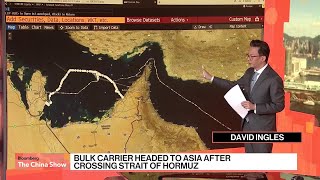
The Strait of Hormuz shipping traffic is at a "near-total halt." Oil is up 20% and Gas is up 60% this week. Hochstein notes the market is "complacent," expecting a short conflict, but the closure of the Strait implies a structural supply deficit. The physical removal of barrels from the market (not just fear premium) forces prices higher. If the Strait remains closed for weeks (as implied by the "regime change" goal), the supply shock will compound, pushing commodities significantly higher. LONG energy commodities and producers. A sudden ceasefire or US naval escorts successfully reopening the Strait quickly.
Asia and Europe are net oil importers. Trinh Nguyen notes that for Thailand, energy/food/transport is >70% of the CPI basket. India received a temporary waiver for Russian oil, but the structural deficit remains. Higher oil prices act as a tax on consumption for net importers. This leads to higher inflation, currency depreciation against the USD, and lower GDP growth. The "terms of trade" shock is severe for these regions. SHORT/AVOID net importer equities. Subsidies or strategic reserve releases successfully mitigating the price shock.
High energy prices create "winners and losers." Daoud explicitly names Norway and Canada as beneficiaries. As net energy exporters outside the conflict zone, these economies benefit from the price spike without the geopolitical risk of being in the Persian Gulf. Their currencies and equity indices should outperform importers. LONG stable energy-exporting economies. Global recession crushing demand for oil despite supply constraints.
This Bloomberg Markets video, published March 06, 2026,
features Joumanna Bercetche, Ziad Daoud, Trinh Nguyen
discussing UUP, JD, 000660.KS, 005930.KS, XLE, USO, UNG, EZU, FXI, INDA, NORW, EWC.
6 trade ideas extracted by AI with direction and confidence scoring.
Speakers:
Joumanna Bercetche,
Ziad Daoud,
Trinh Nguyen
· Tickers:
UUP,
JD,
000660.KS,
005930.KS,
XLE,
USO,
UNG,
EZU,
FXI,
INDA,
NORW,
EWC