Ideas
South Korean markets are underperforming despite a global tech focus. The US may require approvals for chip exports to *any* part of the world. South Korea's economy is heavily reliant on memory (Samsung/SK Hynix) exports. If the US imposes a global permitting regime for AI-related chips, Korean exporters get caught in the crossfire, slowing their export volume to non-US partners. Avoid South Korean equities until the regulatory landscape clears. Rebellions (the startup interviewed) succeeds in capturing market share from Nvidia, boosting the domestic ecosystem.
Brent and US Crude futures saw double-digit gains, heading for the biggest weekly surge since 2022. The US has sunk an Iranian ship, and the Strait of Hormuz is compromised. The conflict has moved from "tensions" to kinetic warfare involving US naval assets and Iranian territory. This removes Iranian supply from the market and spikes insurance premiums for all transit. Long energy exposure. The supply shock is physical, not just speculative. The Trump administration (mentioned in transcript) might release SPR or negotiate a sudden ceasefire.
The US government is set to require permits for "virtually all exports of AI accelerators" to any part of the world. Additionally, the Pentagon declared Anthropic a "supply chain risk." This is a massive regulatory bottleneck. If Nvidia/AMD must seek Commerce Department approval for every major sale globally (not just China), revenue velocity slows immediately. The "supply chain risk" designation for AI software implies a broader crackdown on the sector's integration with defense. Short US Semi/AI hardware. The regulatory friction will compress multiples even if demand remains high. The draft regulations could be watered down before implementation.
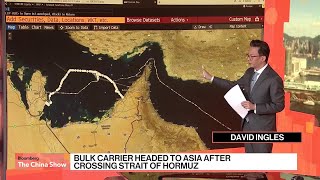
The Strait of Hormuz is closed, and Red Sea issues are spilling over. Shipping lines are rerouting around the Cape of Good Hope. Rerouting around Africa adds weeks to voyage times. This artificially constricts global vessel supply (ships are tied up longer). When supply drops and demand is constant (or panic-driven), freight rates skyrocket. Long global container shippers. They benefit directly from the "war premium" on rates. A quick resolution to the conflict reopens the Suez/Hormuz, crashing rates.
A $10 increase in Brent Crude results in a 0.5% hit to India's GDP. The current account deficit could worsen by 0.9% of GDP. India is a massive net importer of energy. While they have some Russian supply, the transcript notes that China is competing for that supply, and discounts are shrinking. High oil prices act as a direct tax on the Indian economy and currency. Short India equity exposure as a hedge against prolonged high energy prices. The US granting specific waivers to Indian refiners (mentioned by Avril Hong) could mitigate the shock.
This Bloomberg Markets video, published March 06, 2026,
features Avril Hong, Annabel Droulers, Christian Gonzalez, Madhavi Arora
discussing EWY, XLE, OXY, USO, NVDA, AMD, SMH, ZIM, AMKBY, INDA.
5 trade ideas extracted by AI with direction and confidence scoring.
Speakers:
Avril Hong,
Annabel Droulers,
Christian Gonzalez,
Madhavi Arora
· Tickers:
EWY,
XLE,
OXY,
USO,
NVDA,
AMD,
SMH,
ZIM,
AMKBY,
INDA