Ideas
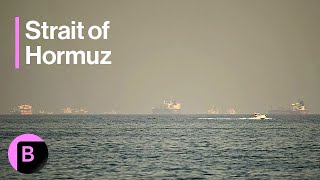
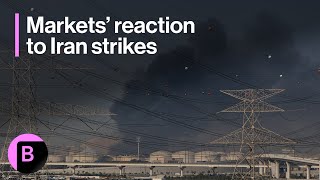
Brent and WTI are spiking (opened +13%, settled +8%). European Gas Futures are up ~20%. Vonnie Quinn notes the Strait of Hormuz is "practically closed." Oliver Crook highlights Equinor (EQNR) is up 6% as Norway is the alternative gas supplier to Europe. With the Strait of Hormuz choked off, supply is physically constrained. RBC's Amy Wu Silverman notes that energy call skews are inverted, suggesting extreme upside panic. Equinor is the logical non-OPEC beneficiary for European gas needs. LONG. Use Call Spreads (per RBC) to capture upside while managing volatility cost. A quick diplomatic resolution reopening the Strait would crash the risk premium immediately.
"Travel chaos extending through the Middle East." Emirates and Qatar Airways have suspended flights. Accor (AC.PA) is down 10% due to heavy Middle East operations. TUI and Lufthansa are also sinking. The closure of airspace over Iran and the Gulf forces rerouting (higher fuel costs) or cancellations (revenue loss). Luxury hotels in the region (Accor) face immediate demand destruction as tourism halts. SHORT. The combination of higher oil prices (fuel costs) and lower demand (fear of travel) is a double negative for this sector. Government bailouts or a rapid reopening of airspace.
Oliver Crook reports that European defense stocks are surging (BAE Systems +6%, Hensoldt +5%, Rheinmetall +2%). He quotes Hensoldt stating there will be a "structural bid for this sector" specifically for air defense and radars. Vonnie Quinn adds that "Contractors, defense companies, drone companies, the likes of Palantir" are moving higher. The conflict involves heavy use of missiles and drones (Iran targeting Gulf states, US targeting Iran). This confirms a long-term capital expenditure cycle for air defense systems (radars, interceptors) across Europe and the Middle East, regardless of how quickly this specific conflict ends. LONG. The "structural bid" comment implies this is not just a short-term trade but a repricing of the sector's growth trajectory. Immediate de-escalation or a ceasefire could cause a short-term pullback in premiums.
Oliver Crook reports that European defense stocks are surging (BAE Systems +6%, Hensoldt +5%, Rheinmetall +2%). He quotes Hensoldt stating there will be a "structural bid for this sector" specifically for air defense and radars. Vonnie Quinn adds that "Contractors, defense companies, drone companies, the likes of Palantir" are moving higher. The conflict involves heavy use of missiles and drones (Iran targeting Gulf states, US targeting Iran). This confirms a long-term capital expenditure cycle for air defense systems (radars, interceptors) across Europe and the Middle East, regardless of how quickly this specific conflict ends. LONG. The "structural bid" comment implies this is not just a short-term trade but a repricing of the sector's growth trajectory. Immediate de-escalation or a ceasefire could cause a short-term pullback in premiums.
VIX is at 23. Amy Wu Silverman states that "in geopolitical situations, the options market tends to be historically bad at pricing them" and that it "paid to be under pricing them" previously (implying VIX goes higher). She argues that this conflict risks spiking correlation across asset classes (everything moves together). When correlation spikes, the spread between single-stock volatility and index volatility closes, pushing the VIX significantly higher. LONG. Volatility is likely to remain elevated or spike further as the market digests the duration of the conflict. Market desensitization to the headlines (news fatigue).
Gold is up more than 2%. The Dollar Index (DXY) is rising against almost every currency, including traditional havens like the Yen and Swiss Franc. Investors are bypassing Treasuries (yields rising) due to inflation fears from the oil spike. Therefore, the only "true" safe havens remaining are Gold (hard asset) and the US Dollar (liquidity king). LONG. In a "stagflationary shock" scenario (war + inflation), Gold and USD tend to outperform bonds. If the conflict is contained quickly, the "fear bid" evaporates.
This Bloomberg Markets video, published March 02, 2026,
features Vonnie Quinn, Oliver Crook, Amy Wu Silverman, Morwenna Coniam
discussing WTI, EQNR, XLE, AC.PA, TUI1.DE, JETS, DLAKY, HENSOLDT, RNMBY, BAESY, KONGSBERG, PLTR, VIX, DXY, GLD.
6 trade ideas extracted by AI with direction and confidence scoring.
Speakers:
Vonnie Quinn,
Oliver Crook,
Amy Wu Silverman,
Morwenna Coniam
· Tickers:
WTI,
EQNR,
XLE,
AC.PA,
TUI1.DE,
JETS,
DLAKY,
HENSOLDT,
RNMBY,
BAESY,
KONGSBERG,
PLTR,
VIX,
DXY,
GLD