Ret. Rear Admiral on Gulf Escalation, Hormuz Strategy, Force Posture
Speakers
Mark Montgomery
— Retired Rear Admiral, U.S. Navy; Senior Fellow, Foundation for Defense of Democracies
Joe Mathieu
— Host, Bloomberg Radio
Summary
- US military force posture in the Middle East is increasing, with destroyers critical for future convoy operations in the Strait of Hormuz and an amphibious readiness group (2200 Marines) deployed for potential non-combatant evacuations or other missions.
- Timeline for Strait of Hormuz reopening: air campaign advertised as 4-5 weeks, followed by mine sweeping and convoy setup, suggesting operations could begin by mid-April with initial small convoys of 3-4 ships twice daily.
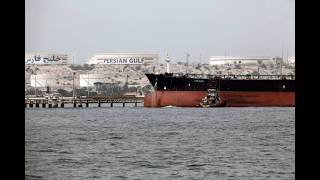
- Alternative to ground invasion of Kharg Island: advocate for threatening to sink ships approaching the pier to pressure Iran economically without risking troops, avoiding need for no-fly zones or large force protection.
- Supplemental Pentagon funding request rumored at $200 billion; Montgomery estimates a more realistic $50 billion for munitions ($20-25B), operational costs ($10-15B), and replacement of losses like aircraft and radars.
- Criticism of US ally relations: poor treatment for 14 months has led to lack of support; key allies with useful capabilities include Japan, Korea, Australia, UK, and France for minesweepers and air defense destroyers, but others like Turkey are less trusted.
- Military strategy emphasizes minimizing risk to force, with convoy operations scaling gradually and reliance on naval power over ground troops for economic pressure on Iran.