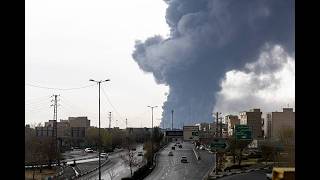
US Could Try to Seize Iran's Kharg Island in Persian Gulf
Speakers
Jen Gavito
— Acting Principal Deputy Assistant Secretary, Bureau of Near Eastern Affairs
Summary
- A military plan to secure the Strait of Hormuz by occupying Kharg Island would not be sufficient on its own; securing parts of the Iranian coastline would also be necessary.
- Restoring confidence for safe maritime transit is a major hurdle; convincing insurance companies and shipping lines is described as a "very, very hard sell" regardless of military actions.
- Iran's ability to disrupt shipping is persistent and low-cost, using drones, mines, or speedboats, making it difficult to guarantee security even with air/land superiority.
- Continued U.S./Israeli strikes, despite tactical successes, indicate Iran's disruptive capabilities have not been fully eliminated and can be rebuilt over time.
- The economic damage to Gulf states from the closed strait is described as "catastrophic" for their long-term economic visions.
- Gulf state neighbors are currently resisting the instinct to retaliate offensively against Iran, but the duration of their endurance is a key uncertainty.
- A proposed $200 billion U.S. supplemental budget request signals an expectation of a prolonged conflict beyond the initial "short" description, especially if it involves "boots on the ground."
- The conflict currently lacks a clear off-ramp or resolution path, complicating the outlook for de-escalation.