Stocks, Bonds Fall as No End to War in Sight | Bloomberg Businessweek Daily 3/20/2026
Speakers
Carol Massar
— Anchor, Bloomberg
Tim Stenovec
— Anchor/Co-Host, Bloomberg TV & Radio
Jeff Mason
— White House Correspondent
Adam Farrar
— Senior Geo-Economics Analyst, Bloomberg Economics
Ian McGinley
— Former Director of Enforcement, CFTC; Partner, Sidley Austin
Nathan Risser
— Oil Reporter, Bloomberg News
Summary
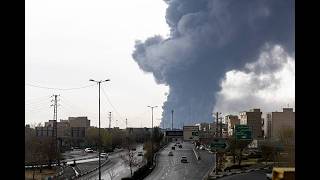
- The U.S.-Iran war continues with no clear end in sight; Iranian officials are reluctant to even discuss reopening the Strait of Hormuz.
- Reports indicate the U.S. is preparing for potential ground troops (boots on the ground) in Iran, causing oil prices (WTI ~$98.65, Brent ~$111) to spike on the news.
- Rising diesel prices, crossing $5/gallon for the first time since 2022, present a acute economic pain point due to low inventories and disruption of heavier crude grades ideal for diesel production.
- Higher energy prices shift the political focus away from "affordability" ahead of the U.S. midterm elections, posing a significant risk to the incumbent party.
- Prediction market operator Kalshi was issued a temporary restraining order in Nevada, highlighting ongoing state-level regulatory resistance and legal uncertainty.
- Ian McGinley notes the CFTC has issued a Notice of Proposed Rulemaking for prediction markets, signaling forthcoming federal regulation, while a recent criminal case in the space involved only misdemeanor charges.
- Adam Farrar emphasizes the war's unanticipated consequences: straining U.S. military hardware stockpiles needed for other global conflicts and applying inflationary pressure globally, especially in Asia.
- Nathan Risser explains diesel demand is relatively inelastic compared to gasoline, meaning price spikes directly and quickly impact transportation costs and supply chains for businesses.