Trump Says 'I Don't Want to Do a Ceasefire' With Iran
Speakers
Donald Trump
— President of the United States
Joe Mathieu
— Host, Bloomberg Radio
Romain
— Bloomberg Host
Summary
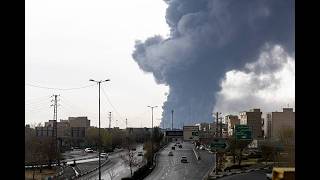
- President Trump explicitly rejects a ceasefire with Iran, stating "you don't do a ceasefire when you're literally obliterating the other side," signaling continued military escalation.
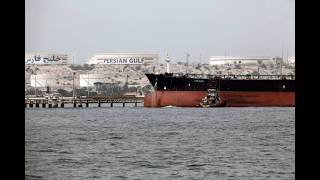
- Iran refuses to discuss reopening the Strait of Hormuz while under attack, indicating a stalemate with no near-term diplomatic resolution.
- Conflict timeline is extending, with Bloomberg reporting the president is considering ground troops to seize Kharg Island, suggesting a more protracted war than initially expected.
- Trump downplays U.S. dependency on the strait for oil but acknowledges it impacts global oil prices, contributing to market anxiety.
- NATO allies are criticized as "cowards" and a "paper tiger" for not assisting in reopening the strait, with no substantial support pledged from nations like the UK.
- Reopening the Strait of Hormuz would require a large-scale military effort, including thousands of troops and a no-fly zone, as estimated by former official Leon Panetta.
- Market sentiment deteriorates daily due to escalating tensions, uncertainty over conflict duration, and potential for higher oil prices.
- The situation is not yet a "quagmire" but could become one if troops are deployed on the ground, increasing risks and costs.
- Trump ambiguously suggests the strait "could reopen itself," adding to confusion and uncertainty about U.S. strategy.
- No ceasefire or quick resolution is imminent, with both sides entrenched, leading to prolonged geopolitical risk.