March 2026 FOMC Debrief
Speakers
Joseph Wang
— Author, Central Banking 101 / ex-Senior Trader, Federal Reserve
Summary
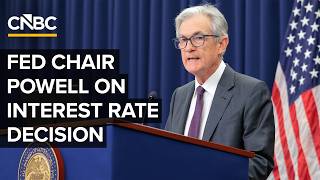
- The March 2026 FOMC meeting and press conference were interpreted as hawkish, causing markets to price in fewer rate cuts.
- Recent labor market data showed weakness, including job losses and a rising unemployment rate, but Chair Powell deemphasized this, focusing on a stable unemployment rate of 4.4%.
- Inflation remains stuck around 3%, with additional upside risk from an energy shock due to the Middle East war.
- Powell's response to the energy shock was non-committal; he indicated a need to see through the effects of previous tariff shocks before reacting.
- Governor Waller, who expressed dovish concerns about labor market weakness at the previous meeting, did not dissent this time, signaling a hawkish shift in the FOMC.
- Powell may stay on as a Fed governor after his chairmanship ends to uphold Fed independence, which could maintain a hawkish influence even under a new chair.
- An ongoing lawsuit against Powell adds uncertainty to his future role and Fed policy dynamics.
- Joseph Wang expects the prolonged oil shock to negatively impact growth, potentially leading to market declines after options expiration (OPEX).
- Despite the hawkish stance, Wang believes the Fed will still cut rates a few times this year as the focus shifts from inflation to growth concerns.
- The situation is fluid with geopolitical risks and internal Fed dynamics creating a complex outlook for monetary policy.