Middle East War Threatens Global Economic Shock | Joseph Stiglitz (Nobel Laureate Economist)
Speakers
Jack Farley
— Host, Monetary Matters
Joseph Stiglitz
— Nobel Laureate / Professor, Columbia University
Summary
- The US economy faces a severe risk of stagflation driven by a combination of erratic tariffs and an unprovoked war with Iran, which has already spiked oil prices over $100 per barrel.
- The geopolitical shock is causing real, physical supply disruptions in energy and agricultural supply chains (fertilizer/food), unlike the purely speculative price spikes seen at the onset of the Russia-Ukraine war.
- The massive capital expenditure in AI infrastructure resembles an "arms race" that is likely forming a bubble, as companies may fail to achieve the monopoly profits required to justify their investments.
- Extreme wealth and income inequality, exacerbated by unchecked monopoly power and poor antitrust enforcement, continues to destabilize the US political and economic landscape.
Ideas
"We are facing a risk of stagflation, prices going up first because of the tariffs, now because of the war. And we are already having slow growth, the destruction of 92,000 jobs last month." The combination of an oil shock, a food shock, and a tariff shock is simultaneously driving up input costs for corporations while crushing consumer purchasing power. This toxic macro environment (stagflation) will lead to severe earnings compression across broad equities. SHORT. Broad market indices are vulnerable to a significant rerating as inflation remains sticky and economic growth stalls. The Federal Reserve aggressively cuts interest rates to stimulate the economy, or AI-driven productivity gains offset the inflationary pressures.
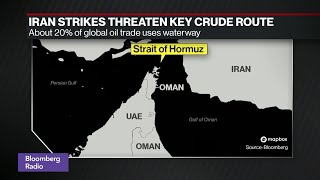
"Now, of course, the oil companies, Exxon, are going to be very happy. Russia is going to be very happy... Exxon successfully pushed back against those efforts [windfall taxes] and they will do the same if we try that today." The war with Iran is causing a real, physical disruption to global oil supplies, driving prices above $100. Major US oil producers will capture massive windfall profits from this supply shock, and historical precedent suggests they will successfully lobby against any government attempts to tax these excess margins. LONG. US energy majors are perfectly positioned to benefit from soaring crude prices while remaining insulated from domestic windfall taxes. A sudden diplomatic resolution to the Middle East conflict or a severe global recession that destroys baseline oil demand.
"China has committed to purchasing at least 25 million metric tons of US soybeans annually through 2028... At the same time, the EPA has proposed increasing biomass-based diesel mandates by as much as 67% for 2026, and soybean oil is the leading domestic feed stock." Soybeans are benefiting from a dual-demand shock: guaranteed international trade flows (China) and domestic regulatory tailwinds (EPA renewable diesel mandates). This structural demand will outpace supply, driving up the underlying commodity price. LONG. The Teucrium Soybean Fund provides direct exposure to a commodity with legally and geopolitically mandated demand growth. Changes in EPA regulations, breakdown of the US-China bilateral trade framework, or adverse weather patterns affecting crop yields.
"We want to be free from Russian invasion. So, we need to have a defense... Russia is an enemy that exists and they don't believe in democracy. We need to protect ourselves." The escalating geopolitical fragmentation, highlighted by conflicts in the Middle East and Eastern Europe, guarantees that Western governments will be forced to maintain or expand defense budgets regardless of domestic economic weakness. LONG. Prime defense contractors offer a safe haven with visible, government-backed revenue streams during periods of global instability. A sweeping global peace initiative or severe US fiscal austerity measures that force cuts to the defense budget.
"I think that there is a significant probability that we're experiencing an AI bubble and the breaking of that bubble itself will have significant macroeconomic consequences... each of them believes they will be the monopoly... if there's enough competition they won't be making monopoly profits." Mega-cap tech companies are engaging in an unsustainable capex arms race to build AI data centers. Because competition will prevent any single company from extracting monopoly rents, the return on invested capital (ROIC) will severely disappoint, leading to a collapse in their elevated valuation multiples. AVOID. The underlying economics of the AI infrastructure build-out do not support current valuations, making the sector highly susceptible to a bubble burst. AI adoption accelerates faster than expected, creating new high-margin revenue streams that justify the massive capital expenditures.
Up Next

This Monetary Matters video, published March 11, 2026, features Joseph Stiglitz, Jack Farley discussing SPY, QQQ, CVX, XOM, OXY, SOYB, GD, RTX, LMT, NVDA, GOOGL, MSFT. 5 trade ideas extracted by AI with direction and confidence scoring.
Speakers: Joseph Stiglitz, Jack Farley · Tickers: SPY, QQQ, CVX, XOM, OXY, SOYB, GD, RTX, LMT, NVDA, GOOGL, MSFT