Ideas
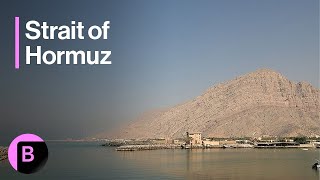
"The closure of the Strait of Hormuz, saying they will halt production or stop supply... sending oil majors in the U.S. and Europe higher. You are seeing the likes of Chevron and Exxon going up quite a bit this morning." Sustained geopolitical conflict in the Middle East and the physical closure of a major global shipping choke point will keep crude prices structurally elevated. Large-cap integrated oil majors generate massive free cash flow at $100+ crude, allowing them to expand margins, increase buybacks, and act as a rare defensive equity hedge while the broader market suffers from inflation fears. LONG. High oil prices directly translate to earnings beats and multiple expansion for major Western energy producers. A sudden diplomatic resolution, a coordinated and massive G7/SPR emergency oil release, or severe demand destruction if high prices trigger a deep global recession.
"Hims & Hers... 50% up, on the back of solving this dispute it had with Novo Nordisk in Europe. Hims & Hers has had these concerns about copycat drugs, but it has come to an agreement with Novo Nordisk and is doing quite well on the back of both companies selling their drugs together." The GLP-1 weight-loss market is one of the fastest-growing pharmaceutical segments in history. By resolving the legal overhang regarding compounded/copycat drugs and officially partnering with the market leader (Novo Nordisk), HIMS secures a massive, legally de-risked revenue stream. This validates their telehealth/pharmacy distribution model. LONG. Removing existential legal risk while gaining direct exposure to the booming GLP-1 market fundamentally rerates the stock's valuation. The 50% premarket gap-up may lead to short-term profit-taking; execution risks remain in scaling the distribution partnership.
"The U.S. transition from being an energy importer to an energy exporter over the last decade... What you see now is the dollar amplifies these energy shocks and that energy prices go up, the correlation with the dollar now means the dollar goes up." During geopolitical crises, capital flees to safe havens. Historically, the Yen and Swiss Franc played this role, but because Japan and Switzerland are heavy energy importers, their currencies are being crushed by the oil shock. The US, as a net energy exporter, sees its terms of trade improve during an oil spike, making the USD the only viable safe-haven currency. LONG. The US Dollar benefits from a dual tailwind: global safe-haven capital flight and structural economic resilience to high energy prices. The Federal Reserve unexpectedly cutting rates to save the domestic economy, which would compress yield differentials and weaken the dollar.
"Air lines clearly not doing well across the board. We saw declines in American Airlines, Delta. That is on the back of the same story we saw last week, higher oil, higher prices of jet fuel." Jet fuel is one of the largest operating expenses for commercial airlines. A sudden, violent spike in crude oil compresses operating margins immediately. Furthermore, if the oil shock causes broader economic stagflation, consumer discretionary spending on travel will decline, hitting airlines with a double whammy of rising input costs and falling revenue. SHORT. Airlines are highly sensitive to energy input costs and lack the pricing power to immediately pass a $30/barrel crude spike onto consumers without destroying demand. Oil prices mean-reverting quickly, or airlines having successfully hedged their near-term fuel exposure to mitigate the shock.
"We are seeing that disruption in oil flows be significant multiples of the disruption we saw back then... This is an environment where we are now unlikely in a higher for longer yield backdrop, because we do not see any near-term relief for yields to come down meaningfully." A sustained oil shock feeds directly into headline inflation. Central banks, bound by their mandates, cannot cut interest rates while inflation is accelerating, even if economic growth is slowing (stagflation). This forces the market to price out previously expected rate cuts, driving long-duration bond yields higher and prices lower. SHORT. Fixed income offers no protection in a supply-driven inflation shock; yields must rise to reflect the new inflation reality. The energy shock causes such a severe and immediate economic contraction that central banks are forced to abandon their inflation fight and cut rates to prevent a depression.
"LiveNation is nearing a settlement... under the settlement plan, Ticketmaster would eliminate some exclusivity in ticketing contracts with concert venues." A settlement with regulators removes a massive antitrust overhang that has pressured the stock. However, giving up exclusivity contracts strikes at the core of Ticketmaster's economic moat. The market will need to weigh the relief of avoiding a forced breakup against the reality of lower future profit margins due to increased competition. WATCH. Wait for the final terms of the settlement to model the exact impact on future free cash flow before taking a position. The settlement falls apart and the DOJ pursues a full breakup of the company.
This Bloomberg Markets video, published March 09, 2026,
features Abeer Abu Omar, Skyler Montgomery Koning, Laura Cooper, Julie Fine
discussing XOM, CVX, TTE, NVO, HIMS, UUP, AAL, DAL, TLT, LYV.
6 trade ideas extracted by AI with direction and confidence scoring.
Speakers:
Abeer Abu Omar,
Skyler Montgomery Koning,
Laura Cooper,
Julie Fine
· Tickers:
XOM,
CVX,
TTE,
NVO,
HIMS,
UUP,
AAL,
DAL,
TLT,
LYV