Stock Markets Still Look Complacent: 3-Minutes MLIV
Summary
- Oil prices have experienced extreme volatility, flirting with $120/barrel before pulling back to $107 on news of a potential G-7 joint reserve release.
- A multi-layered inflation shock is imminent, driven by surging energy prices, disrupted fertilizer/food supply chains, and Middle East air freight delays.
- The market is severely mispricing geopolitical risk, operating under the complacent assumption that political figures will quickly negotiate an end to the US/Israel/Iran conflict.
- Geopolitical experts see no visibility for an open Strait of Hormuz or an end to the war, setting up a bleak short-term outlook for equities and exacerbating private credit vulnerabilities.
Ideas
"...inflation shock coming through from energy prices coming through, from fertilizer and food chains coming through..." Fertilizer production is highly energy-intensive, particularly relying on natural gas. As energy prices spike and Middle East supply chains are disrupted, the cost to produce agricultural chemicals soars. This restricts global supply and drives up the end-market price of fertilizers, boosting revenues for North American producers. Long major fertilizer producers to capitalize on the secondary inflation shock hitting the global food supply chain. Energy prices collapse, or global agricultural demand weakens due to a broader macroeconomic recession.
"We've also got private credit woes which are now going to have an inflation shock and higher yields, which is going to exacerbate that." Energy-driven inflation shocks will force bond yields to stay higher for longer. Highly levered companies reliant on high-yield debt and private credit will face severe refinancing walls and increased borrowing costs, leading to a spike in corporate default rates. Short high-yield corporate bonds as rising yields and sticky inflation break weaker, over-leveraged borrowers. Central banks pivot to aggressive monetary easing in response to the "terrible jobs report," bailing out over-leveraged credit markets.
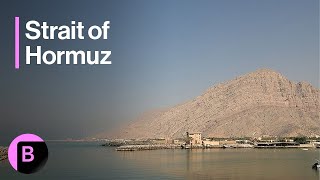
"Until the Strait of Hormuz is sustainably looking like it's going to be open... this is going to keep on getting worse and worse." The Strait of Hormuz is the world's most critical chokepoint for crude oil. Prolonged closure or military threat will severely constrain global supply, keeping oil prices elevated well above $100 per barrel. Large-cap energy producers will see direct margin expansion and massive free cash flow generation from this sustained geopolitical premium. Long major energy producers as a direct hedge against Middle East escalation and supply constraints. The G-7 successfully floods the market with strategic reserves, or a sudden ceasefire removes the geopolitical premium on crude.
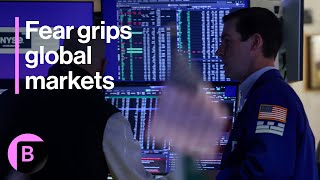
"I think stock market in particular is where the most complacency is and much downside has had." The broader market is pricing in a swift, negotiated resolution to the Middle East conflict. However, geopolitical experts indicate no end in sight. As the realization sets in that the Strait of Hormuz will remain threatened—causing sustained supply chain and energy shocks—broad equity indices will re-price lower to reflect the actual risk premium. Short broad market and small-cap equities to capitalize on the unwinding of extreme geopolitical complacency. A sudden, sustainable peace agreement or reopening of the Strait of Hormuz would trigger a violent relief rally.
Up Next


This Bloomberg Markets video, published March 09, 2026, discussing CF, NTR, MOS, HYG, COP, CVX, XOM, IWM, SPY. 4 trade ideas extracted by AI with direction and confidence scoring.