Trump Mulls Using Special Forces to Seize Iran's Uranium
Speakers
Interviewer
— Host
Becca
— Geopolitical Analyst
Summary
- President Trump is considering the use of Special Operations forces to seize Iran's highly enriched uranium, though analysts view this as a highly risky endeavor requiring neutralized ground threats.
- Gulf states like the UAE are shifting drone defense tactics away from expensive Patriot interceptors toward more cost-effective solutions, such as using Apache helicopters equipped with machine guns.
- Iran's new Supreme Leader, Mojtaba, is the IRGC-preferred candidate, signaling geopolitical continuity and maintaining the current threat landscape rather than sparking an internal revolution.
- Gulf nations are actively defending critical infrastructure, specifically energy facilities, AI data centers, and water desalination plants, from ongoing regional drone and missile attacks.
Ideas
We've seen the UAE shoot these down with their Apache helicopters using the machine guns that are already based upon that. That's a much more affordable cost per shot than trying to use a limited Patriot interceptor. As asymmetric drone warfare proliferates, nations are realizing that firing million-dollar interceptor missiles at cheap drones is economically unsustainable. The tactical pivot to using existing rotary-wing assets (like Boeing's AH-64 Apache) and conventional munitions (manufactured by companies like General Dynamics) extends the lifecycle, maintenance contracts, and upgrade cycles for these legacy defense platforms. LONG BA / GD as the shift toward cost-effective kinetic interception methods drives sustained international demand for rotary-wing readiness and conventional ammunition. Defense budgets could eventually bypass legacy helicopters in favor of next-generation directed energy weapons (lasers/microwaves) for drone defense.
We're going to see them try and shift tactics to be able to defend their populations and critical infrastructure, ranging from energy to AI data centers to water desalination plants. The persistent need for Gulf states to actively defend their energy infrastructure highlights a permanent geopolitical risk premium on crude oil. With a hardline US administration threatening ground forces in Iran, and Iran's new IRGC-backed Supreme Leader ensuring continuity of aggression, the threat of a sudden supply shock remains elevated. Energy equities benefit from this sustained risk premium and elevated oil price floor. LONG XLE / CVX / OXY to hedge against Middle East escalation and the ongoing kinetic threats to Gulf energy infrastructure. OPEC+ releasing spare capacity into the market or a sudden diplomatic de-escalation could cause the geopolitical risk premium to collapse, dragging down energy equities.
Up Next
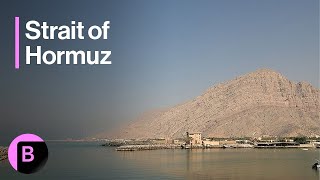



This Bloomberg Markets video, published March 09, 2026, features Becca Wasser discussing GD, BA, XLE, CVX, OXY. 2 trade ideas extracted by AI with direction and confidence scoring.