Bessent Says Hormuz Route Will Be Bypassed In the Future
Summary
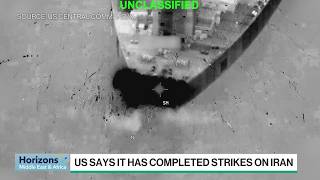
Treasury Secretary Scott Bessent says the Strait of Hormuz will be bypassed within two years as oil moves overland by pipelines, making the waterway strategically worthless. Bloomberg's Jon Herskovitz reports the US has launched a broader wave of strikes on Iranian targets and Iran has retaliated, raising the risk of extended tit-for-tat conflict. Herskovitz also says Iran may target regional energy infrastructure, potentially affecting global oil supplies.
- Bessent says the Strait of Hormuz will be bypassed in two years by overland oil pipelines.
- US strikes hit broader Iranian targets including air defense and maritime assets.
- Iran retaliated, with risk of a prolonged tit-for-tat strike cycle.
- Iran may target neighboring energy infrastructure if its own infrastructure is attacked.
- Such attacks could damage regional economies and affect global oil supplies.
- The economic onslaught on Iran has not shown clear immediate impact, with China seen as the biggest factor.
Ideas
Up Next




This Bloomberg Markets video, published September 02, 2026, features Scott Bessent discussing WTI. 1 trade idea extracted by AI with direction and confidence scoring.
Speakers: Scott Bessent · Tickers: WTI