Ideas
Tanker shipments in the Strait of Hormuz have come to a halt due to attacks on three ships. Siegel states, "That's 600 million barrels that could potentially be deprived... that's basically a week of no oil." He explicitly puts "$90-$100 barrel oil" on the table. The physical blockage of a chokepoint handling 20% of the world's oil supply creates an immediate supply shock. With OPEC spare capacity low and US inventories as the only cushion, prices must rise to ration demand. This directly benefits crude futures and major integrated oil producers with non-Gulf production. LONG. Energy is the primary hedge against this geopolitical conflict. Rapid de-escalation or release of Strategic Petroleum Reserves (SPR) dampening price spikes.
Siegel predicts gas prices moving toward "$4 a gallon." Ingles notes that early trading in New Zealand shows "airport stock... trading right now" is down, signaling weakness for travel-related stocks. Airlines face a double negative: 1) Jet fuel is their highest variable cost, and oil spiking to $100/bbl crushes margins. 2) Fear of terrorism and war generally reduces international travel demand. SHORT. The sector faces both input cost inflation and demand destruction simultaneously. Government intervention to stabilize fuel prices or airlines successfully passing costs to consumers (unlikely in a fear-driven environment).
The US and Israel are engaging in heavy kinetic strikes. Wasser notes "precious few air defense missiles in the region" are being used up against Iranian drones/missiles. Sanders mentions the use of Patriot and THAAD systems. Grant states the US will "unwind every piece of military hardware in Iran" and mentions B-2 bomber strikes. High-intensity conflict depletes munitions rapidly. RTX (Patriot missiles) and LMT (THAAD/F-35) will see immediate replenishment demand. The destruction of Iranian air defenses and the need for stealth (NOC's B-2/B-21) reinforces the long-term capex cycle for defense primes. LONG. The "expenditure rate" of munitions is higher than current stockpiles, guaranteeing future contracts. A quick diplomatic resolution or a War Powers Resolution limiting funding/scope (though deemed unlikely to pass a veto).
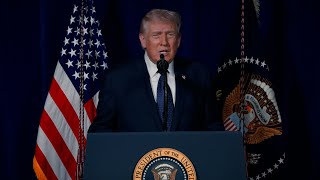
Ingles reports "Nikkei futures... going to open lower" and a general "market sell-off" across Asia. He describes the mood as "textbook risk aversion." Uncertainty regarding the duration of the war (Trump suggests 4 weeks) and the economic drag of high energy prices creates a negative environment for broad equities. Higher energy costs act as a tax on the consumer and corporate margins. SHORT. Equity markets hate uncertainty and energy shocks. "Buy the dip" mentality or Fed intervention if markets crash too hard.
Siegel notes tanker shipments in Hormuz are halted. Kendal reports container ships are being "rerouted across the Persian Gulf." While volume through the Strait is blocked (bad for volume), the remaining tanker fleet outside the Gulf becomes incredibly valuable. Rates for available ships usually skyrocket during war due to risk premiums and longer voyage times (if rerouting is even possible/necessary). WATCH. This is volatile. If the blockage is total, volume drops to zero (bad). If it's partial, rates explode (good for non-Gulf tankers). Total cessation of global shipping trade in the region or government commandeering of assets.
Ingles reports a "clear wave of risk aversion." The Yen (JPY) is "up against everything." Matthew notes the "dollar already surging as investors look for safe haven." Gold is expected to open near all-time highs. In times of acute kinetic war involving a superpower, capital flees risk assets and moves to liquidity and store-of-value assets. The USD and JPY are the traditional liquidity havens, while Gold is the geopolitical hedge. LONG. Classic "flight to safety" trade. If the conflict is contained quickly, the risk premium will evaporate rapidly.
This Bloomberg Markets video, published March 02, 2026,
features Clayton Siegel, Wayne Sanders, David Ingles
discussing XOM, WTI, OXY, CVX, XLE, UAL, LUV, DAL, JETS, AAL, RTX, LMT, GD, ITA, NOC, SPY, NIKKEI, EEM, QQQ, FRO, EURN, DHT, TNK, GLD, FXY, UUP.
6 trade ideas extracted by AI with direction and confidence scoring.
Speakers:
Clayton Siegel,
Wayne Sanders,
David Ingles
· Tickers:
XOM,
WTI,
OXY,
CVX,
XLE,
UAL,
LUV,
DAL,
JETS,
AAL,
RTX,
LMT,
GD,
ITA,
NOC,
SPY,
NIKKEI,
EEM,
QQQ,
FRO,
EURN,
DHT,
TNK,
GLD,
FXY,
UUP