Mark Zandi: The U.S. economy has already been hit very hard by higher oil prices
Summary
Mark Zandi, Chief Economist at Moody's Analytics, says higher oil and energy prices are already hitting U.S. consumers and the broader economy. He notes the typical household has spent almost $1,000 more on fuel, while energy producers benefit from increased output. Zandi expects the Fed to raise rates despite a soft economy and anchored inflation expectations, though he personally would not hike.
- Higher oil and energy prices are already weighing on U.S. consumers and the economy.
- Typical household has spent nearly $1,000 more on gasoline, diesel, and jet fuel.
- Energy industry benefits as producers increase output.
- Lower-income consumers are drawing down savings and barely holding on.
- Tax cuts cushioned spending through summer but are now in the rearview mirror.
- Oil near $100; a move to $110-$130 and $5 gasoline would be hard to digest.
- Fed is expected to raise rates despite a soft economy and struggling job market.
- Inflation expectations remain anchored and inflation is not broadly embedded.
Ideas
Up Next


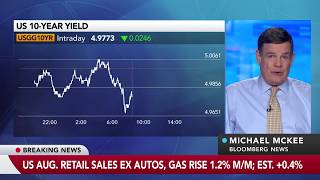


This CNBC video, published September 16, 2026, features Mark Zandi discussing XLE, WTI, Fed Funds Rate. 3 trade ideas extracted by AI with direction and confidence scoring.
Speakers: Mark Zandi · Tickers: XLE, WTI, Fed Funds Rate