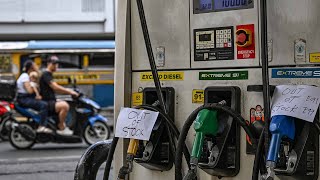
The Fed has to look through the spike in oil prices, says Wharton's Jeremy Siegel
Speakers
Jeremy Siegel
— Professor of Finance, Wharton School
Summary
- Siegel predicts with 100% certainty that Kevin Warsh will take over the Federal Reserve in June, prompting Jerome Powell to step down rather than accept a demotion to a regular FOMC member.
- The current economic environment is fundamentally different from the COVID-19 inflation shock because there is no massive fiscal stimulus or M2 money supply expansion.
- The Fed will likely "look through" the current geopolitical oil price spike, and Siegel expects two rate cuts later in the year.
- Official inflation data will face a significant downward tailwind because national shelter and rental indexes have been flat for 2.5 years, but this reality is heavily lagged in government reporting.
- Oil futures indicate that crude prices will fall back into the $60s by the fall, mitigating long-term inflationary fears.
- The US is currently energy self-sufficient, and a 5% rise in the US Dollar is actively lowering import prices, cushioning domestic inflation.
Ideas
"I think we should have two cuts later on in the year... the Fed has got to look through this [oil spike]." Homebuilders are highly sensitive to mortgage rates. If the Fed successfully looks through the temporary commodity noise and executes two rate cuts, mortgage rates will decline. Lower mortgage rates improve housing affordability, unlocking pent-up buyer demand and expanding profit margins for large, publicly traded homebuilders who can offer rate buydowns. LONG. A dovish Fed cutting rates into a structurally undersupplied housing market directly benefits major homebuilders. If the Fed is forced to hold rates higher for longer due to sticky services inflation, mortgage rates will remain elevated, suppressing housing demand.
"I think we should have two cuts later on in the year... because credit isn't being expanded excessively and because fiscal stimulus is just not there, we're just not going to get this as a big inflationary impulse." The market's primary fear is a resurgence of structural inflation that forces the Fed to hike rates. By confirming that the current environment lacks the monetary and fiscal fuel of the 2020-2022 era, the path is cleared for the Fed to execute its planned rate cuts. A resilient economy paired with an accommodative Fed provides a strong macroeconomic backdrop for broad equities to continue their upward trajectory. LONG. Broad market indices will benefit from the dual tailwinds of falling interest rates and contained structural inflation. A severe deterioration in the job market or an unexpected escalation in the Middle East that causes a sustained, multi-month energy shock.
"One of the biggest factors in inflation is actually shelter and rentals on the national index have actually been totally flat over two and a half years... that's a tailwind to lower inflation over the next really year and year and a half." Shelter is the largest and most stubborn component of the Consumer Price Index (CPI). Because government data lags real-time market rents by 12-18 months, the official CPI will soon be dragged down by the flat rental market of the past 2.5 years. As official inflation prints cool, bond yields will fall, driving up the price of long-duration Treasury bonds. LONG. Long-duration bonds are mispriced if the market is overestimating future inflation due to lagging shelter data. The US government issues massive amounts of new debt, causing a supply-driven spike in long-end yields regardless of cooling inflation.
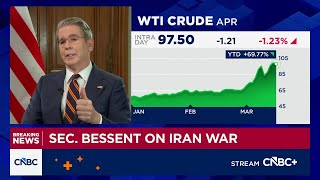
"We take a look at the oil futures market. You know we're back down in the 60s. You know by the end of the fall." Current oil price spikes are driven by geopolitical fear premiums rather than structural supply deficits. Because the US is energy self-sufficient and alternative transport routes (like pipelines bypassing the Strait of Hormuz) are being utilized, the supply chain is more robust than in previous decades. As geopolitical tensions normalize or are priced in, crude will revert to its fundamental supply/demand curve, which futures markets are already pricing much lower. SHORT. Fading the geopolitical risk premium in oil is a high-probability play as futures curves point to significant downside by autumn. A direct, kinetic escalation involving major oil-producing nations (e.g., Iran) that physically destroys infrastructure or permanently closes the Strait of Hormuz.