Brent Oil Drops Below $100 As Trump Talks War End | The Opening Trade 4/1/2026
Summary
- Markets surged globally on optimism that the Iran war could end within 2-3 weeks, per President Trump's comments, driving a significant short squeeze from previously bearish positioning.
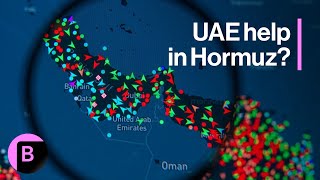
- Brent crude oil fell below $100/barrel, but the drop was seen as tentative; the critical unresolved issue is the reopening of the Strait of Hormuz, which remains "all but closed" with no clear path to resolution.
- The energy shock is unique as a supply constraint, not just a price spike, leading to regulatory rationing in Asia (e.g., cutting working hours) which may cause a faster growth slowdown than typical oil price shocks.
- A stark disconnect exists: equity and bond markets priced de-escalation, while physical energy markets (e.g., European jet fuel at a record $215/barrel-equivalent) priced continued strain, with warnings of potential shortages by May.
- Central banks, like Turkey, have been selling gold reserves for liquidity, reframing gold's role from a speculative safe-haven to a "piggy bank" asset for nations under economic strain, potentially capping its price.
- Tech rallied sharply, fueled by war optimism and a record $122B funding round for OpenAI (valued at $852B), alongside positive data on memory chip pricing benefiting Asian semiconductor firms.
- Nike issued a surprisingly gloomy outlook, forecasting revenue decline, citing Middle East war disruption and weakness in Greater China, posing a read-across risk to European sportswear rivals like Adidas and Puma.
- Analysts expressed caution, viewing the equity rally as a fragile relief rally/short squeeze that needs confirmation of Strait of Hormuz reopening and credible de-escalation to be sustained.
- Bond markets pivoted to pricing growth risks over inflation, yields fell sharply, but strategists see asymmetry: prolonged closure risks stagflation, then deflation, making longer-dated bonds attractive if oil spikes again.
- The UK equity market was cited as a relative hideout due to its global energy/minerals exposure, but its domestic consumer and fiscal outlook were seen as vulnerable.
Ideas
Up Next

This Bloomberg Markets video, published April 01, 2026, features Andrea Felsted, Anna Edwards, Marcus Ashworth, Chloe Mallet, Stephen Kaczynski discussing NKE, Korean memory chipmakers, 000660.KS, GOLD, JETS, XLE. 5 trade ideas extracted by AI with direction and confidence scoring.
Speakers: Andrea Felsted, Anna Edwards, Marcus Ashworth, Chloe Mallet, Stephen Kaczynski · Tickers: NKE, Korean memory chipmakers, 000660.KS, GOLD, JETS, XLE