Paul Sankey on Iran War, Hormuz Risks and Energy Price Spike
Speakers
Paul Sankey
— Lead Analyst, Sankey Research
Summary
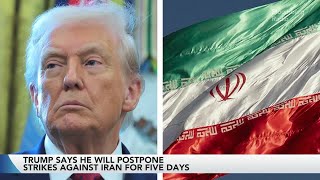
- Geopolitical uncertainty from Iran-Israel conflict creates extreme market confusion, with conflicting signals from President Trump and reports of ongoing bombing.
- Strait of Hormuz disruption is a structural change; first-time closure via threats introduces a permanent risk premium for oil shipping and investment.
- Oil futures strip is currently mispriced too low, but sustained high prices could crush Asian and Gulf economies, risking global depression.
- Major oil CEOs are urging the White House to avoid market interventions like crude or product export bans to maintain free trading and reduce distortion.
- Investment appetite in Middle East energy is likely to decline due to heightened risk, shifting focus toward domestic energy sources including nuclear, gas, and oil.
- Venezuela presents a significant long-term opportunity for U.S. oil companies, with Chevron aggressively planning production expansion, though redevelopment is slow (2027+).
- Chevron's CEO notes insufficient information for correct pricing and emphasizes Venezuela's chronic underinvestment, limiting near-term turnaround.
- Humanitarian crisis risk from potential attacks on Gulf desalination plants adds severity to disruption scenarios, influencing market perceptions.