Bloomberg Surveillance: The Fed Decides 9/16/2026

Watch on YouTube ↗  |  September 16, 2026 at 21:46  |  2:12:05  |  Bloomberg Markets
Speakers
Bob Michele — CIO and Head of Global Fixed Income, J.P. Morgan Asset Management
Subadra Rajappa — Head of Research at Societe Generale
Jonathan Ferro — Anchor, Bloomberg Television
Jeffrey Rosenberg — Senior Portfolio Manager, BlackRock
Richard Clarida — Pimco global economic adviser; former Federal Reserve vice chairman
Diane Swonk — KPMG Chief Economist
Matthew Luzzetti — Head of U.S. Economic Research, Deutsche Bank
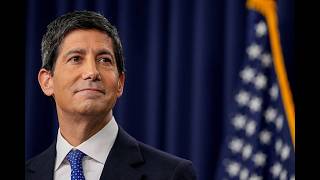
Kevin Warsh — Federal Reserve Chairman
Tom Keene — Host, Bloomberg Surveillance
Michael McKee — International Economics & Policy Correspondent, Bloomberg
Kailey Leinz — Bloomberg Reporter

Summary

The Federal Reserve raises its benchmark rate by 25 basis points to 4% and signals another hike this year. Chair Kevin Warsh delivers a hawkish press conference, saying policy is not restrictive and inflation remains too high. Markets react with front-end yields higher, a flatter yield curve, a stronger dollar, and lower equities. Guests debate the path for rates, long-end bonds, credit, AI capex, housing, and the risk of demand destruction.

  • Fed hikes rates 25 basis points to 4% in a unanimous decision and signals more tightening.
  • Kevin Warsh says inflation is too high and financial conditions are not restrictive.
  • Front-end Treasury yields rise, long-end yields fall, the curve flattens, and the dollar strengthens.
  • Equities fall as banks and rate-sensitive sectors weaken.
  • Bob Michele favors long-end sovereign bonds and credit.
  • Subadra Rajappa flags front-end overpricing and long-end volatility.
  • Debate continues on whether inflation can fall without demand destruction.
  • White House criticizes the rate hike as unfortunate.
Ideas
Bob Michele CIO and Head of Global Fixed Income, J.P. Morgan Asset Management 8:30
Long-end sovereign yields are too cheap.
The long end of U.S., Japanese, and Australian government bonds has sold off too far and reached maximum pain. He argues central banks are hiking to reestablish credibility, Treasury Secretary Bessent can further stabilize the long end, and nominal and real yields are simply too cheap, making this a good buying opportunity.
Subadra Rajappa Head of Research at Societe Generale 14:28
Front end has gotten ahead.
She agrees that the front end has gotten ahead of itself because global markets are pricing an aggressive policy path. With data strong but the Fed likely to hike gradually, front-end rates look mispriced relative to the expected tightening path.
Subadra Rajappa Head of Research at Societe Generale 14:42
Long-end bonds face oil and Fed risk.
The long end is more volatile and dependent on Middle East developments. Higher oil prices could push long-end yields higher again, and a dovish Fed message or only one hike in the dots could trigger another long-end selloff.
Jonathan Ferro Anchor, Bloomberg Television 17:30
Buy equities, not bonds.
He argues the same strong nominal GDP and buoyant risk appetite that support equities argue against bonds. Higher yields have not created recession fears, so investors should favor stocks over bonds.
Jonathan Ferro Anchor, Bloomberg Television 17:30
Buy equities, not bonds.
He argues the same strong nominal GDP and buoyant risk appetite that support equities argue against bonds. Higher yields have not created recession fears, so investors should favor stocks over bonds.
Jonathan Ferro Anchor, Bloomberg Television 99:23
Yield curve is flattening.
He highlights front-end Treasury yields rising while long-end yields fall, flattening the yield curve. He wonders whether this is the start of a bigger trend driven by the front end and long end.
Equities face consumer and Fed risk.
He is concerned about equities because he expects the consumer to slow from here, sees the high watermark already passed, and expects the Fed to keep hiking. He also argues the Fed forecast is incoherent and may require weaker economic activity to meet its goals.
Housing remains challenged by rates.
She notes housing is a rate-sensitive part of the economy that has been struggling and will continue to be challenged, even as AI-related investment remains less rate-sensitive.
Jonathan Ferro Anchor, Bloomberg Television 113:34
Bank stocks may be rolling over.
He sees banks getting hammered and rolling over alongside a flattening yield curve, which he says is the first sign in months that markets may be pricing lower growth. He flags it as something to watch going into the weekend.
Jeffrey Rosenberg Senior Portfolio Manager, BlackRock 123:44
AI capex resilient to Fed hikes.
He argues the growth picture is complicated because the AI capital investment cycle is not very rate-sensitive. A 25, 50, or 75 basis point Fed move will not change the large capex plans already in train; the constraint is availability of capital, not cost of capital, so much larger financial-conditions tightening would be needed to derail the AI train.
Up Next

This Bloomberg Markets video, published September 16, 2026, features Bob Michele, Subadra Rajappa, Jonathan Ferro, Neil, Stephanie, Jeffrey Rosenberg discussing Long-End U.S. Treasuries, Long-end Japanese government bonds, Long-end Australian government bonds, U.S. front-end Treasuries, SPY, TLT, U.S. Treasury yield curve flattener, U.S. housing sector, KBE, AI-SECTOR. 10 trade ideas extracted by AI with direction and confidence scoring.

Speakers: Bob Michele, Subadra Rajappa, Jonathan Ferro, Neil, Stephanie, Jeffrey Rosenberg  · Tickers: Long-End U.S. Treasuries, Long-end Japanese government bonds, Long-end Australian government bonds, U.S. front-end Treasuries, SPY, TLT, U.S. Treasury yield curve flattener, U.S. housing sector, KBE, AI-SECTOR