MacroVoices #527 Adam Rozencwajg & Jim Bianco: What Comes Next After The Iran Crisis
Speakers
Erik Townsend
— Founder & Host, MacroVoices
Patrick Ceresna
— Derivatives Specialist, MacroVoices
Adam Rozencwajg
— Co-Founder, Goehring & Rozencwajg
Jim Bianco
— President, Bianco Research
Summary
- Adam Rozencwajg argues the pre-crisis oil market was tight, not in surplus, as global inventories failed to build despite OPEC's 2-2.5 million bpd production surge in 2025, indicating robust underlying demand.
- The Strait of Hormuz disruption impacts an estimated 10-15 million bpd of oil, the largest physical dislocation in history, yet the forward curve remains subdued, pricing a quick resolution.
- Post-crisis, the need to rebuild depleted inventories (including strategic petroleum reserves) will reveal the market's fundamental tightness, lifting the forward curve and benefiting oil equities which have only risen 30-40% versus spot oil's doubling.
- Uranium is in a structural deficit until at least 2030 due to inadequate mine supply versus steady reactor demand; a long-term price of $150/lb is needed to incentivize sufficient new mine development.
- Gold faces near-term headwinds from speculative long positions in ETFs and the potential for Fed rate hikes, but a long-term "insolvency trade" (crisis of confidence in government debt) remains a powerful bullish driver.
- Fertilizer supply disruptions through the Strait threaten global crop yields, creating asymmetric upside risk in grain markets given the existing razor-thin balance between record demand and record yields.
- Jim Bianco assesses the ceasefire as fragile and not yet operational; if the Strait remains closed, oil prices could rise an average of $3 per day until a credible reopening.
- Bianco sees the Federal Reserve divided, with some members seeing a case for cuts (if real growth drag dominates) and others for hikes (if inflation dominates), with the decision hinging on the net effect on nominal GDP.
- Bianco expects sustained inflation around 3% (not 2%) due to deglobalization and embedded geopolitical risk premiums, implying higher long-term interest rates.
- Erik Townsend and Patrick Ceresna propose crude oil bull call spreads as an asymmetric hedge, offering limited downside risk and convex upside if the Strait of Hormuz risk re-escalates.
- Gold's recent negative correlation with oil (driven by fears that oil-driven inflation would prevent Fed cuts) may revert, testing whether gold can resume its role as a geopolitical hedge.
- Uranium's long-term bullish fundamentals are intact, but near-term tail risks include the possibility of military strikes on operating nuclear reactors within the conflict zone.
Ideas
Oil equities have risen only 30-40% while spot oil prices doubled, and the forward curve has only moved from ~$50 to ~$70, indicating the market expects a swift resolution to the crisis. The physical oil market is fundamentally tight, and post-crisis inventory rebuilding will be difficult, leading to a sustained rise in the forward curve which oil company cash flows are priced against. LONG because oil equities offer leveraged exposure to a tightening physical market and have not yet priced in a higher long-term price environment. The Iran conflict resolves quickly and the perceived pre-crisis oil surplus reasserts itself, keeping the forward curve depressed.
The uranium market is in a structural deficit as existing mine supply is insufficient to meet current reactor demand, a situation exacerbated by the depletion of Japanese stockpiles and a lack of new major mines before 2030. Prices must rise to incentivize new production; reactor demand is highly inelastic as fuel cost is a minor component of total operating cost, meaning high prices do not destroy demand. LONG due to a clear, multi-year supply-demand imbalance with significant price appreciation potential required to balance the market. A major nuclear accident or successful attack on a reactor causes a global public backlash against nuclear energy.
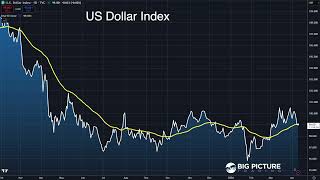
Gold attracted substantial speculative, momentum-driven inflows in late 2025/early 2026, creating near-term vulnerability if those flows reverse. Concurrently, a potential Fed rate hike cycle presents a historical headwind. In the medium term, leadership in a commodity bull market can rotate away from precious metals to energy (as in the 1970s). The next major bullish phase for gold will likely require a catalyst like a crisis of confidence in sovereign solvency. WATCH due to mixed near-term signals; the long-term bullish thesis remains but a better entry point may emerge if speculative longs unwind or if gold underperforms other commodities temporarily. The Federal Reserve embarks on an aggressive rate-hiking cycle, strengthening the US dollar and reducing the appeal of non-yielding gold.
Patrick Ceresna recommended a June 2026 NYMEX crude oil bull call spread (buy $100 call, sell $120 call) for a net debit of ~$3, offering a maximum payout of ~$17 if crude rallies above $120 by expiration. The recent ceasefire only reduced immediate threat, but the structural risk of disruption in the Strait of Hormuz remains, creating an asymmetric payoff profile where downside is limited to the premium paid, while upside is leveraged to a re-escalation. LONG via options spread to gain convex, defined-risk exposure to a potential re-escalation of geopolitical risk and its impact on oil prices. The ceasefire holds, the Strait reopens fully, and oil flows normalize, leading to stable or lower oil prices through June.
Up Next
This Macro Voices video, published April 09, 2026, features Adam Rozencwajg, Patrick Ceresna discussing XLE, URANIUM, GOLD, WTI. 4 trade ideas extracted by AI with direction and confidence scoring.
Speakers: Adam Rozencwajg, Patrick Ceresna · Tickers: XLE, URANIUM, GOLD, WTI