MacroVoices #527 Adam Rozencwajg: What Comes Next After The Iran Crisis
Speakers
Erik Townsend
— Founder & Host, MacroVoices
Patrick Ceresna
— Derivatives Specialist, MacroVoices
Adam Rozencwajg
— Co-Founder, Goehring & Rozencwajg
Jim Bianco
— President, Bianco Research
Summary
- Adam Rozencwajg argues the global oil market was balanced, not in a historic surplus as the IEA claimed, which is why inventories didn't build in 2025 despite OPEC adding 2+ million barrels per day.
- The Iran conflict has caused the largest-ever physical oil market dislocation, with an estimated 10-15 million barrels per day impacted from the Strait of Hormuz closure, but the forward curve hasn't moved as dramatically as spot prices.
- He believes the market will realize the need to rebuild depleted global inventories (by 300-400 million barrels) and strategic petroleum reserves after the conflict, revealing underlying tightness and causing the longer-dated futures curve and oil equities to rise significantly.
- A key knock-on effect is on fertilizer supply, as a significant portion transits the Strait of Hormuz. Combined with record grain demand and historically perfect yields, any disruption creates asymmetric upside risk for grain prices.
- The uranium thesis is a simple, long-term supply-demand deficit story through 2030, with mine supply unable to meet reactor demand. Prices could rise to $150/lb or higher to incentivize new mine development, as reactor demand is inelastic.
- On gold, he differentiates between a "debasement trade" (which has happened) and a future "insolvency trade" (crisis of confidence in Western governments), which would be more bullish. In the near term, gold may underperform energy as speculative GLD holdings could unwind if the Fed hikes rates.
- Jim Bianco is skeptical the announced ceasefire is solid or will lead to the Strait reopening, noting attacks continued the day after. He believes markets are pricing a resolution but will embed a lasting risk premium in oil and other assets.
- Bianco argues the Fed is now a collection of independent voices, leading to two-sided debates on whether the war is disinflationary (warranting cuts) or inflationary (warranting hikes). His view is that nominal GDP will increase, leading to higher rates.
- Both hosts (Erik and Patrick) see an asymmetric setup in crude oil options, using bull call spreads to hedge against/position for a re-escalation while defining risk, noting the geopolitical choke point risk remains even if the immediate crisis pauses.
Ideas
Oil equities are up only 30-40% despite spot oil prices doubling, because the forward curve (pricing future cash flows) has only moved from ~$50 to ~$70. The market assumes the Iran conflict will resolve quickly and the oil market will return to its prior state. However, the conflict has drawn down global inventories by 300-400 million barrels, and countries will need to rebuild both commercial and strategic reserves. Once the immediate crisis passes, the focus will shift to inventory rebuilding, revealing the underlying market tightness. This will cause the forward curve to rise, which in turn will drive oil equities significantly higher as they price in improved future cash flows. A swift and lasting resolution to the Iran conflict that allows for rapid inventory replenishment without sustained higher demand.
Global grain demand has been extraordinarily strong for 15 years due to rising protein consumption, but record yields have kept the market balanced. A significant amount of fertilizer transits the now-disrupted Strait of Hormuz. The market has required "perfection" in yields each year to meet demand. A fertilizer supply disruption threatens to reduce yields, breaking this multi-year equilibrium. The grain market exhibits strong asymmetric convexity; if the perfect yield trend is broken due to fertilizer issues, the market could tighten "way faster" than expected, leading to a sharp price move. The fertilizer disruption is resolved quickly, or yields remain resilient due to other factors like favorable weather or advanced seed technology.
The uranium market is already in a supply deficit, a fact previously obscured by the drawdown of Japanese post-Fukushima stockpiles which are now exhausted. Mine supply cannot meet current reactor demand through 2030. New mine supply is scarce for the next 3-4 years. Reactor demand is highly inelastic; even at $500/lb, fuel costs remain a small portion of operating costs and would be passed through to ratepayers. The simple supply-demand deficit will drive prices higher. A long-term price of $150/lb U3O8 is needed to incentivize sufficient new mine development to balance the market, offering substantial upside from current levels. A catastrophic event involving a nuclear reactor (e.g., a military strike) or the use of a nuclear weapon, which could severely damage public sentiment towards nuclear energy.
Up Next



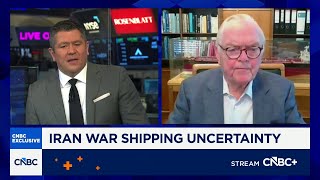

This Macro Voices video, published April 09, 2026, features Adam Rozencwajg discussing XLE, DBA, URANIUM. 3 trade ideas extracted by AI with direction and confidence scoring.
Speakers: Adam Rozencwajg · Tickers: XLE, DBA, URANIUM