Hormuz Blockade Would Hit More Than Oil | Presented by CME Group
Speakers
Narrator
— Presenter, CME Group
Summary
- The Strait of Hormuz is a critical chokepoint for global supply chains, handling 20% of global petroleum consumption and 25% of seaborne oil trade.
- The waterway is vital for natural gas and agriculture, facilitating 20% of global LNG transit and 30-33% of the global fertilizer trade.
- Supply disruptions have immediate inflationary effects: oil prices surged 15-20% and urea fertilizer jumped 20-30% in a single week.
- Second-order effects of a blockade extend far beyond energy, threatening crop yields, driving up global food prices, and inflating raw material costs for plastics and pharmaceuticals.
Ideas
Approximately 20 million barrels per day of crude oil and petroleum products transit the strait equating to about 20% of global petroleum consumption. A blockade chokes off a fifth of the world's oil supply. This massive supply shock forces global buyers to bid up available barrels, directly increasing the spot price of crude oil and expanding profit margins for Western oil majors operating outside the conflict zone. LONG. US-based oil producers will capture the immediate upside of the supply shock without facing the localized geopolitical risks of Middle Eastern producers. Strategic Petroleum Reserve (SPR) releases or a rapid diplomatic resolution could quickly erase the geopolitical risk premium in oil prices.
Around 20% of global LNG or liqufied natural gas passes through the straight. A blockade cuts off a fifth of the world's LNG, severely impacting energy-starved regions like Europe and Asia. US-based LNG exporters will see a surge in demand and pricing power as global buyers scramble to secure non-Middle Eastern cargoes to keep their power grids running. LONG. North American LNG infrastructure and export companies will command premium pricing for their shipments. Export capacity limits at US terminals could cap the amount of additional volume these companies can actually process and sell.
The region accounts for 30 to 33% of global fertilizer trade... Fertilizer prices, especially URA, have jumped 20 to 30%. With a third of the global fertilizer supply trapped, prices for urea and other agricultural nutrients are skyrocketing. North American fertilizer producers will experience massive margin expansion as they sell their unconstrained production at highly elevated global market prices. LONG. Domestic agricultural chemical producers are direct beneficiaries of Middle Eastern supply chain disruptions. Demand destruction if farmers choose to plant less fertilizer-intensive crops (like soybeans) instead of nutrient-heavy crops (like corn).
This hits farmers hard, potentially reducing crop yields for staples like corn and wheat and driving up food prices. High fertilizer costs force farmers to apply fewer nutrients to their fields, which directly reduces the yield per acre. Lower crop yields lead to tighter global inventories of staple grains, driving up the underlying commodity prices. LONG. Agricultural commodities will reprice higher to reflect the anticipated drop in global harvest yields. Exceptionally favorable weather conditions in major growing regions could offset the yield loss caused by reduced fertilizer application.
Interruptions inflate cost of plastics, pharmaceuticals, and other goods, slowing global manufacturing. Petrochemical inputs are the primary cost driver for plastic packaging companies. A sudden spike in raw material costs will compress their gross margins before they are able to pass those costs onto consumers, hurting quarterly earnings. SHORT. Companies highly dependent on plastic resins for manufacturing will suffer immediate margin compression. Companies with strong pricing power or robust raw material hedging programs may successfully pass costs to consumers without losing volume.
Up Next




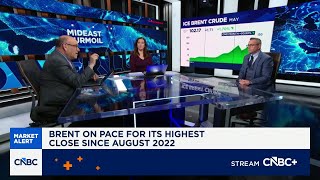
This Bloomberg Markets video, published March 13, 2026, discussing COP, XOM, CVX, LNG, SRE, CF, NTR, MOS, WEAT, CORN, SEE. 5 trade ideas extracted by AI with direction and confidence scoring.