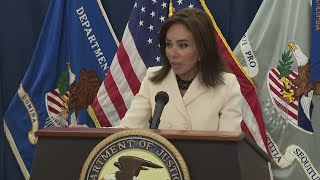
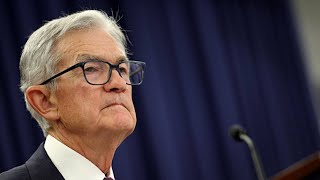
Krugman Says Pirro Is Harassing Fed Chair Powell
Speakers
Interviewer
— Host
Paul Krugman
— Nobel Laureate / Professor, CUNY Graduate Center
Summary
- The executive branch is exerting unprecedented political pressure on Fed Chair Jerome Powell to lower interest rates, including the use of subpoenas.
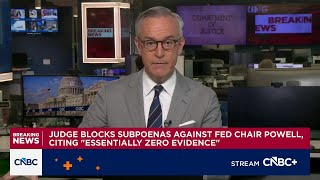
- A federal judge recently ruled that the dominant purpose of these subpoenas is to harass Powell into cutting rates.
- Currently, the Fed is defying this pressure, but Krugman warns that the fundamental independence of the Federal Reserve remains highly vulnerable.
- The politicization of monetary policy creates a binary macro environment: the Fed may stay artificially hawkish to prove its independence, or it may eventually cave, unanchoring inflation expectations.
Ideas
Paul Krugman
Nobel Prize-winning Economist, Distinguished Professor, Publisher of the Paul Krugman Substack
1:04
Powell has fought back and the Fed is defying. And this is actually looking like a big flop for the administration. To protect its institutional credibility and prove it is not bowing to political harassment, the Federal Reserve is heavily incentivized to maintain a hawkish stance. By actively defying demands to cut rates, the Fed is likely to keep interest rates higher for longer than the market anticipates. Elevated interest rates directly suppress the prices of long-duration Treasury bonds. SHORT TLT as the Fed delays rate cuts to demonstrate its political independence. A sudden, severe macroeconomic shock or recession forces the Fed to cut rates aggressively based purely on economic data, overriding any political optics.
Paul Krugman
Nobel Prize-winning Economist, Distinguished Professor, Publisher of the Paul Krugman Substack
1:30
We wouldn't have even had previous administrations were hesitant to even criticize the Fed's decisions, let alone bring subpoenas... So, yeah, that independence is still very much on the line. Unprecedented executive pressure on the central bank introduces a severe tail risk that US monetary policy becomes politically captured. If global markets begin to price in a loss of Fed independence—meaning rate cuts will be driven by political election cycles rather than inflation data—fiat currency confidence will drop. Investors will front-run this by moving capital into hard, non-sovereign assets to hedge against politically driven fiat debasement and unanchored inflation. LONG GLD and BTC as structural hedges against the politicization and potential capture of the Federal Reserve. The Fed successfully defends its total independence, inflation remains perfectly anchored, and real yields stay highly attractive, which would dampen the demand for zero-yield alternative assets.
Up Next

This Bloomberg Markets video, published March 13, 2026, features Paul Krugman discussing TLT, BTC, GLD. 2 trade ideas extracted by AI with direction and confidence scoring.
Speakers: Paul Krugman · Tickers: TLT, BTC, GLD