Markets Weekly April 4, 2026
Speakers
Joseph Wang
— Author, Central Banking 101 / ex-Senior Trader, Federal Reserve
Summary
- Labor market data appears strong on surface (178k March jobs, lower unemployment) but underlying trends signal weakness, including wage deceleration, low job turnover rates, and job growth concentrated solely in healthcare.
- Key Fed research suggests the labor force may not grow this year, meaning zero monthly job creation could be consistent with a stable unemployment rate, altering the benchmark for "weak" data.
- Geopolitical risks with Iran are escalating severely; a U.S. ground invasion appears highly likely (85% odds per prediction markets), which would be a military "suicide mission" and lead to a prolonged quagmire.
- The Strait of Hormuz closure is creating a looming "air pocket" in global oil supply within weeks as pre-closure shipments deplete, risking a nonlinear spike in oil prices.
- Higher oil prices are a global recessionary threat; the US is not insulated despite energy independence because oil is a global market, and higher prices will transfer to US consumers.
- The "petrodollar system" of recycling oil revenues into U.S. Treasuries is largely a historic relic, as Gulf states' surpluses have shrunk and spending priorities have shifted inward over the past decade.
- Market environment is deemed "very dangerous" with the S&P 500 below its 200-day moving average and volatility driven by unpredictable geopolitical headlines.
Ideas
Speaker characterizes the current market as a "very dangerous time," with the S&P 500 below its 200-day moving average and volatility driven by geopolitical headlines. He argues a permanent decline in oil supply from escalation would cause a global recession, harming the U.S. economy. High geopolitical uncertainty and a deteriorating macro backdrop (recession risk from oil shock) create a poor risk/reward environment for broad equities. The combination of technical weakness, headline risk, and fundamental recession risk justifies an AVOID stance. The Fed could intervene or the Iran conflict could de-escalate faster than expected, removing the macro overhang.
Speaker states the Strait of Hormuz closure will lead to an "air pocket" in global oil supply in the coming weeks as pre-closure shipments are depleted, and analysts are "very concerned" the market may not be pricing the full impact. He notes oil prices continue to trend higher, and a ground invasion or further Iranian retaliation on Gulf facilities could cause a "permanent" supply shortage, sending oil "permanently higher." Physical supply disruption is imminent and could be exacerbated by further military escalation, leading to a sharp, nonlinear price increase. The setup warrants close monitoring (WATCH) due to high, underappreciated near-term catalyst risk. Governments could intervene with subsidies or demand-reduction policies; the "air pocket" could be buffered by stockpiles.
Up Next



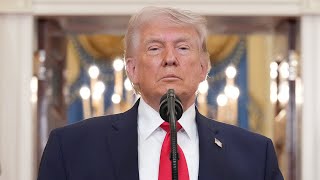

This Joseph Wang video, published April 04, 2026, features Joseph Wang discussing SPY, WTI. 2 trade ideas extracted by AI with direction and confidence scoring.
Speakers: Joseph Wang · Tickers: SPY, WTI