Trading strategies as volatility rises amid the war in Iran and rising oil
Speakers
Scott Wapner
— Host, CNBC
Steve Weiss
— Chief Investment Officer, Short Hills Capital Partners
Kevin Simpson
— Investment Committee Member
Jim Lebenthal
— Partner, Cetera Investment Management
Bryn Talkington
— Managing Partner, Requisite Capital Management
Summary
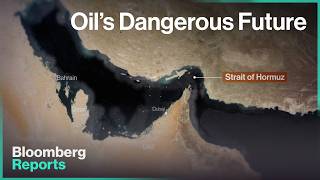
- The closure of the Strait of Hormuz is the primary macro driver, pushing crude oil toward $97 a barrel and threatening to derail double-digit corporate earnings expectations for 2026.
- The S&P 500 is hovering just 47 points above its 200-day moving average of 6600, which is acting as a critical technical support level.
- A resolution to the Middle East conflict must occur by the end of March to prevent lasting stagflationary damage to corporate margins and the broader US economy.
- Rising headline risk exists in the private credit sector, where smaller funds may halt redemptions due to illiquidity, though mega-cap asset managers remain well-capitalized.
- Elevated market volatility is creating highly profitable opportunities for yield generation through selling covered calls.
Ideas
This is a great time to be selling calls. And so I think that's where the premiums high on a lot of names. So you can sit still in your names and sell calls. With the S&P 500 approaching its 200-day moving average (6600) and geopolitical uncertainty keeping the VIX elevated, flat-to-downward price action is likely in the near term. Selling covered calls allows investors to monetize the high implied volatility without taking on additional directional risk or liquidating long-term holdings. NEUTRAL. Hold existing broad market equity positions but cap upside by selling calls to generate income during a choppy, range-bound market. A sudden reopening of the Strait of Hormuz could trigger a massive relief rally, causing sold calls to expire deep in the money and capping upside gains.
It comes down to the Straits of Hormuz. It really is that simple... When the market feels that the Straits of Hormuz are open, it is likely that the markets will go much higher. The entire equity market's near-term trajectory is inversely correlated to oil prices, which are artificially inflated by the geopolitical blockade. Monitoring oil proxies is the most direct way to front-run the eventual market relief rally or prepare for further stagflationary downside. WATCH. Use oil as the primary leading indicator for broader equity exposure. If oil breaks down, it signals a geopolitical resolution and a green light to buy equities. The conflict extends past March, embedding higher energy costs into corporate margins and triggering a prolonged stagflationary environment that hurts both equities and consumer demand.
The headline risk is when all these funds stop allowing redemptions... I'm comfortable with the big ones. I'm comfortable with the big firms because they have very, very mature risk management. Smaller private credit funds are heavily invested in illiquid loans and may face a liquidity crisis if investors rush for redemptions. This will cause a flight to quality, where capital flees smaller operators and consolidates into mega-cap alternative asset managers (like BlackRock, Blackstone, and Apollo) that have the balance sheets and credit facilities to weather redemption requests. LONG. Large alternative asset managers will win market share and investor trust as smaller private credit funds face liquidity stress. A systemic credit freeze could drag down the entire financial sector, regardless of individual firm capitalization, similar to the initial panic phases of past financial crises.
Up Next

This CNBC video, published March 13, 2026, features Bryn Talkington, Jim Lebenthal, Steve Weiss discussing QQQ, SPY, USO, BX, BLK, APO. 3 trade ideas extracted by AI with direction and confidence scoring.
Speakers: Bryn Talkington, Jim Lebenthal, Steve Weiss · Tickers: QQQ, SPY, USO, BX, BLK, APO