Why The USA is on the Verge of Winning the War.. (jvb_xyz)
Speakers
Thread Guy
— Crypto influencer, independent
Jonah
— Former Oil Trader at VTOL / Geopolitical Analyst
Summary
- The geopolitical risk premium currently priced into the oil market is a "fade," as the US has the military and financial capacity to ensure the Strait of Hormuz remains open.
- Fundamentally, the global oil market is massively oversupplied, with a fair value of approximately $50 per barrel absent the current Middle East conflict.
- Shorting prompt oil futures directly during a war carries unbounded tail risk; the superior trade expression is to buy equities and high-conviction risk assets during geopolitical panic sell-offs.
- Iran's regime is severely weakened, and the conflict is likely to result in a more compliant state, eventually bringing more Iranian and Venezuelan oil to the open global market and further suppressing prices.
Ideas
"I expressed the trade by buying equities and by buying hyperliquid into the dip... let me use this as a chance to enter them basically add risk at better levels." Geopolitical flare-ups often cause knee-jerk sell-offs in broad equities and crypto as market participants de-risk. Because the underlying oil supply isn't actually disrupted and the US will keep sea lanes open, the macro panic is transient. This creates a temporary mispricing in risk assets, allowing investors to accumulate long-term bags at a discount. LONG. Use geopolitical panic as a liquidity event to accumulate high-conviction risk assets that are selling off in sympathy with the news cycle. A severe, unexpected escalation (e.g., a nuclear event or actual prolonged closure of the Strait of Hormuz) that genuinely crashes the global economy and causes a sustained bear market in risk assets.
"Absent this conflict, it's worth 50 bucks a barrel. There's too much oil... I would sell like deck 26 futures expiring October and just let it roll down as the market kind of succumbs to over supply again." The oil market is currently pricing in a massive geopolitical risk premium due to fears of the Strait of Hormuz closing. However, fundamentally, the world is facing a severe supply glut. Once the immediate threat dissipates or regime change occurs in Iran, the risk premium will evaporate, and prices will mean-revert to their fundamental fair value of ~$50/bbl. SHORT. However, the speaker explicitly warns against naked shorting prompt futures due to unbounded upside risk during active conflicts. The optimal execution is selling options or shorting deferred contracts once the immediate volatility settles. A rogue actor supplies Iran with a nuclear weapon, or physical oil fields and critical production infrastructure are successfully destroyed, causing a true, long-lasting global supply deficit.
Up Next


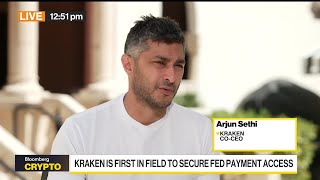
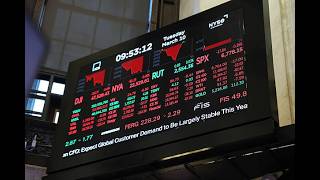

This Thread Guy video, published March 10, 2026, features Jonah Van Bourg discussing HYPE, QQQ, SPY, USO. 2 trade ideas extracted by AI with direction and confidence scoring.
Speakers: Jonah Van Bourg · Tickers: HYPE, QQQ, SPY, USO