Energy Secretary Chris Wright: U.S. 'not ready' to escort tankers through Strait of Hormuz yet
Speakers
Joe
— Host
Chris Wright
— US Energy Secretary
Summary
- The US is releasing 172 million barrels of oil from the SPR, utilizing a backwardated market to swap for over 200 million barrels within a year at no cost to taxpayers.
- US military operations to dismantle Iran's offensive capabilities will take "weeks, not months," and the US Navy is currently not ready to escort commercial tankers through the Strait of Hormuz.
- Prolonged disruption in the Strait threatens to push oil prices above $150 per barrel and is already trapping helium shipments critical for global semiconductor manufacturing.
- The US is massively expanding its natural gas export capacity, with significant new infrastructure coming online by the end of the year.
- The repeal of the CO2 endangerment finding is expected to remove regulatory bottlenecks that previously halted the construction of new domestic power plants.
Ideas
"It'll happen relatively soon, but it can't happen now. We're simply not ready. All of our military assets right now are focused on destroying Iran's offensive capabilities... it's a weeks long operation." The inability of the US Navy to currently escort tankers through the Strait of Hormuz guarantees near-term supply chain bottlenecks for Middle Eastern oil. While the SPR release provides a temporary buffer, the structural disruption and backwardated market heavily favor US domestic oil producers who can sell at elevated spot prices without facing Middle East transit risks. LONG US oil producers and broad energy equities as geopolitical risk premiums remain elevated and domestic producers capture market share. A faster-than-expected military resolution or severe demand destruction caused by rapid price spikes.
"There is helium tanks of helium trying to get through, because that's critical to making sure we can continue to manufacture semiconductors. There's nothing that can be substituted for the cooling properties of helium." Helium is a non-substitutable input for semiconductor foundries. If military operations in the Strait of Hormuz continue to block these shipments, chipmakers will face severe production bottlenecks. This creates a hidden, second-order supply chain shock for the entire semiconductor industry, threatening short-term production quotas. WATCH semiconductor foundries and equipment makers for downside volatility related to acute helium shortages. Alternative global helium reserves (such as those in the US or Qatar) are tapped and rerouted quickly enough to prevent actual manufacturing halts.
"We're growing our net exports of natural gas this spring. This summer, you'll see massively more capacity online by the end of this year." With the Middle East in turmoil and the Strait of Hormuz compromised, global energy buyers will increasingly rely on secure, Western-hemisphere energy sources. The addition of massive new US export capacity aligns perfectly with this forced shift in global demand, driving volume and revenue for US natural gas infrastructure and producers. LONG US natural gas producers and liquefied natural gas (LNG) exporters as new capacity meets rising geopolitical demand. Warmer-than-expected global weather reducing heating demand, or unforeseen delays in bringing the new export facilities online.
"This is a regulatory creep that just crushed our ability to build new power plants in this country... President Trump is bold. He's full of common sense. He's like, no, let's address that endangerment finding." The repeal of the CO2 endangerment finding removes a massive layer of regulatory red tape that has historically stifled utility capex. This deregulation will unlock a new cycle of capital expenditure, directly benefiting the companies that design, build, and supply components for new power generation infrastructure. LONG power infrastructure, industrial conglomerates, and utility construction firms as deregulation sparks a domestic building boom. State-level legal challenges and environmental lawsuits tie up the deregulation in courts, delaying actual construction contracts.
Up Next
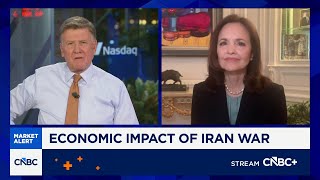
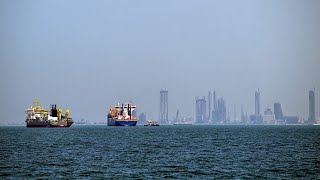
This CNBC video, published March 12, 2026, features Chris Wright, Joe Terranova discussing OXY, USO, XLE, SMH, TSM, ASML, LNG, UNG, EQT, GE, PWR, XLU. 4 trade ideas extracted by AI with direction and confidence scoring.
Speakers: Chris Wright, Joe Terranova · Tickers: OXY, USO, XLE, SMH, TSM, ASML, LNG, UNG, EQT, GE, PWR, XLU