Markets Weekly September 5, 2026
Summary
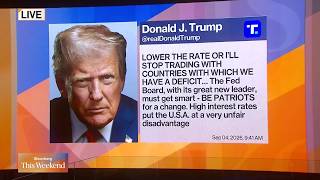
Joseph Wang reviews Fed policy after dovish comments from Williams and Waller and a strong nonfarm payrolls print. He sees oil and refined products being pushed higher by the Middle East conflict, creating inflation risk and supporting the case for a September rate hike. On the global bond selloff, he argues energy prices from the Iran war are the main driver, not US fiscal crisis, hyperscaler debt, or strong growth, and he expects a sharp drop in yields if the conflict resolves. He also discusses US midterm politics as a possible force for de-escalation.
- Fed doves Williams and Waller signal willingness to wait on disinflation despite a hawkish signal from Chair Walsh.
- Strong nonfarm payrolls and oil-driven headline inflation push market odds of a September hike back near 60%.
- Joseph attributes the global bond yield surge primarily to Middle East energy prices.
- He expects bond yields to fall sharply if the Iran conflict resolves.
- He views US fiscal crisis fears as overblown because the US can raise taxes, unlike France and other peers.
- He says midterm election risks may push the president to seek a faster resolution to the conflict.
Ideas
Up Next


This Joseph Wang video, published September 05, 2026, features Joseph Wang discussing WTI, DIESEL, Global sovereign bonds, IEF, 30-Year US Treasury Bond. 2 trade ideas extracted by AI with direction and confidence scoring.
Speakers: Joseph Wang · Tickers: WTI, DIESEL, Global sovereign bonds, IEF, 30-Year US Treasury Bond