Markets Weekly March 28, 2026
Speakers
Joseph Wang
— Author, Central Banking 101 / ex-Senior Trader, Federal Reserve
Summary
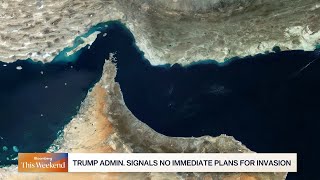
- A war-driven supply shock has closed the Strait of Hormuz, severing a key global oil artery and creating a "slow motion train wreck" for the global economy.
- Iran is selling more oil now than before the war, but net global oil supply is down, causing refined product prices (jet fuel, diesel) to spike.
- Concrete impacts are emerging: airlines canceling flights, reduced tourism, and anecdotal reports of diesel shortages for Australian farmers.
- The initial market reaction (pricing in fewer Fed cuts due to inflation) is shifting as equities fall, with the market now sniffing out a potential recession, which could force a dovish Fed pivot.
- The most likely geopolitical outcome is an Iranian victory, achieved by keeping the Strait closed to further crash the stock market and global economy, forcing an unpopular Trump administration to seek an off-ramp.
- A US/Israeli ground invasion is deemed unlikely; constraints include low munitions stockpiles and a low US domestic pain threshold tied to financial markets.
- A resulting US recession and stock market decline is increasing the probability of a Democratic ("blue") sweep in the midterm elections, which is viewed as regime change and stock market negative due to expectations of higher taxes and redistribution.
- The war demonstrates the obsolescence of traditional US power projection (carriers) against modern, asymmetric warfare (drones, missiles), where rivals like Iran, Russia, and China hold advantages.
- The US's lack of industrial capacity to rapidly produce munitions and repair assets (e.g., a carrier out for 14+ months) undermines its superpower status and the security guarantees to allies.
- This shift implies a move towards multipolarity, forcing US allies to hedge by building ties with China, and makes US defense of Taiwan in a conflict seem "ridiculous" and impossible.
- The speaker believes the global economy is already in a recession, which could deepen into a depression if the Strait remains closed, depleting emergency oil stockpiles.
Ideas
The Strait of Hormuz closure has created a "tremendous negative supply shock" in oil. Iran is selling more, but net global flow is down. Refined product prices (jet fuel, diesel) are spiking. Higher refined product prices directly increase costs for major consuming industries (airlines, shipping, agriculture) and reduce consumer demand (travel), creating a defacto tax on the global economy. As a key input cost, sustained high energy prices will crush margins and demand for energy-consuming sectors and the broader economy, making them unattractive. A rapid geopolitical resolution reopening the Strait, or a faster-than-expected global recession destroying demand.
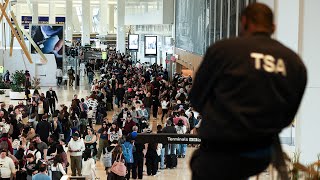
Airlines are canceling thousands of flights due to high jet fuel prices. The speaker explicitly links this to bleeding into the tourism industry (hotels, etc.). The oil supply shock is causing input cost inflation for the entire transportation sector (air and likely freight), directly harming profitability and operational capacity. The sector faces immediate, concrete headwinds from high fuel costs, which will reduce earnings and is part of the broader "slow motion train wreck" for the economy. A sudden drop in oil prices or government subsidies for the sector.
The speaker states a stock market implosion could force a US political off-ramp, leading to an Iranian victory. He later states a "blue sweep" midterm result would be "stock market negative" due to expectations of higher taxes and redistribution. The primary mechanism for market decline is the oil shock-induced recession. A secondary, reinforcing mechanism is the high probability of adverse political/regime change (Democratic sweep) catalyzed by the recession and market decline itself. The combined effect of a near-term recessionary shock and a longer-term shift towards less market-friendly fiscal policy creates a clear negative setup for US equities. A swift geopolitical resolution that averts a deep recession and stabilizes the political outlook.
Up Next



This Joseph Wang video, published March 28, 2026, features Joseph Wang discussing XLE, JETS, SPY, VTI. 3 trade ideas extracted by AI with direction and confidence scoring.
Speakers: Joseph Wang · Tickers: XLE, JETS, SPY, VTI