This Weekend | Houthis Enter Middle East Conflict, DHS Fundinl, SpaceX, Anthropic Eye IPOs
Speakers
David Gura
— Host, Bloomberg This Weekend
Christina Ruffini
— Host, Bloomberg This Weekend
Lisa Mateo
— Reporter, Bloomberg
Abeer Abu Omar
— Reporter, Bloomberg London
William Taylor
— Former US Ambassador to Ukraine
Jill DeJanovich
— Nevada Union Representative TSA Worker
Kevin Whitelaw
— Managing Editor for America's Weekend, Bloomberg News Congressional Reporter
Senator Todd Young
— U.S. Senator
Senator Elissa Slotkin
— U.S. Senator
Becca Wasser
— Senior Fellow, CNAS
Wayne Sanders
— Senior Defense Research Analyst, Bloomberg Intelligence
Arsenio Dominguez
— Secretary General, United Nations International Maritime Organization
John Bartman
— Fifth Generation Corn and Soybean Farmer
Mandeep Singh
— Senior Analyst, Bloomberg Intelligence
Mark Kimmitt
— Retired Brigadier General, US Army
Summary
- The Iran war has widened geographically with Houthi rebels entering the conflict, attacking Israel and threatening Red Sea shipping, increasing regional escalation risks.
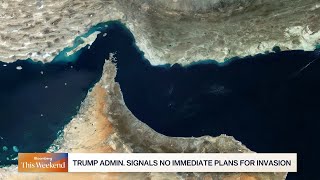
- Oil prices (Brent crude) surged above $112 per barrel due to supply disruption fears, especially if the Strait of Hormuz remains closed or Houthis target tankers.
- U.S. equities slumped, with Nasdaq and Dow near correction territory, driven by war uncertainty, inflation worries, and a tough week for tech stocks.
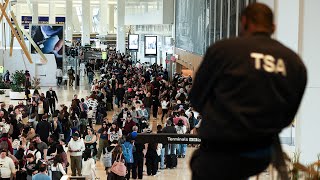
- A prolonged partial government shutdown has halted DHS funding, causing unpaid TSA workers, airport delays, and political deadlock between House and Senate Republicans.
- U.S. officials debated diverting weapons earmarked for Ukraine to the Middle East, highlighting resource strains and potential impacts on European security.
- Military analysts noted high costs and risks of U.S. ground operations in Iran (e.g., seizing Kharg Island), with munition stockpiles (e.g., Tomahawks) depleting faster than production.
- Farmers face soaring fertilizer costs (e.g., from $11,000 to $21,000 for same supply) due to war-driven supply chain disruptions, compounding trade war and pandemic pressures.
- Tech stocks endured one of their worst weeks in decades, pressured by macro headwinds, though AI infrastructure demand remains insatiable per analysts.
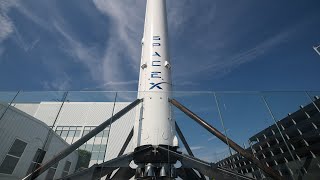
- SpaceX is targeting a $75 billion IPO in June, potentially the largest ever, while OpenAI and Anthropic also plan public listings, signaling major tech market events.
- Diplomatic efforts to open the Strait of Hormuz are slow, with ~20,000 seafarers stranded; a humanitarian corridor is proposed but requires Iranian cooperation.
- Gulf allies (e.g., UAE, Saudi Arabia) are frustrated with U.S. strategy, seeking long-term security guarantees after direct Iranian attacks on their soil.
- U.S. military spending for the Iran war is estimated at $15-$20 billion monthly, with a $200 billion supplemental request looming, raising fiscal concerns.