Can the Oil Market Move On From Iran War and Hormuz Blockade?
Summary
Emily Ashford, head of energy research at Standard Chartered, discusses the oil market's reaction to the Strait of Hormuz blockade and the fragile ceasefire between the US and Iran. She explains that the market is cautiously optimistic due to potential further talks, but remains focused on the critical issue of reopening the strait without restrictions. The physical market is in panic while financial markets show more caution, and any prolonged blockade would tighten supplies and push prices higher for crude and refined products.
- Discusses the outlook for oil prices amid the Strait of Hormuz blockade.
- Highlights a fragile ceasefire and potential for further US-Iran talks.
- Notes market confusion over logistics of the US secondary blockade.
- Emphasizes the critical importance of reopening the strait without tariffs, escorts, or mines.
- Mentions the market is watching individual vessel transits for signals.
- Points out a disconnect between physical and financial oil markets.
- Suggests strategic reserves as a current source for obtaining barrels.
- Explains that higher prices could gradually increase production outside the Gulf.
Ideas
Up Next
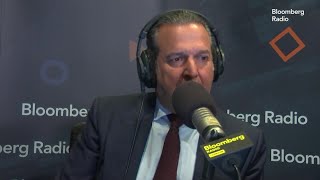
This Bloomberg Markets video, published April 15, 2026, features Emily Ashford discussing WTI, CRAK. 1 trade idea extracted by AI with direction and confidence scoring.
Speakers: Emily Ashford · Tickers: WTI, CRAK