Savings, Sundaes & Suits
Summary
Bloomberg Money returns with personal-finance discussions on student loans, the grandparent economy, college sports economics, and Wall Street recruiting, followed by two investment interviews. KKR's Henry McVey argues the post-COVID regime favors private equity, equities, infrastructure, Japan/Korea reform and trimming government bonds. BNY Wealth's Alicia Levine urges long-term global equity exposure, intermediate bonds, real assets/infrastructure and non-Treasury fixed income. The show closes with a suit-fashion segment and a Qatar Economic Forum preview.
- Personal finance roundtable covers graduate student loan limits, grandparents funding family costs, and college sports monetization.
- Henry McVey sees a regime change with higher inflation, deficits and geopolitics.
- He favors private equity/private markets, Japan/Korea corporate reform, global infrastructure, equities as an inflation hedge, and trimming government bonds.
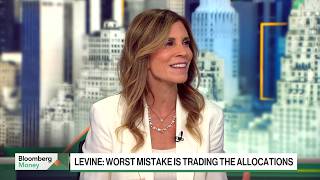
- Alicia Levine says wealth is built over decades and investors should stay in diversified global equities rather than trade headlines.
- She positions fixed income in intermediate maturities, avoids long duration, and prefers EM debt and high yield over Treasuries.
- She sees real assets and infrastructure as inflation hedges in a higher-inflation world.
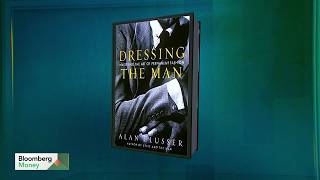
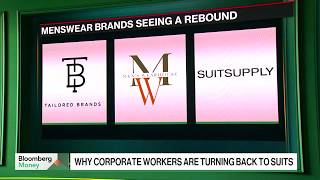
- Other segments cover Wall Street recruiting competition and the return of tailored suits.
- The show previews Bloomberg's Qatar Economic Forum coverage.
Ideas
Up Next

This Bloomberg Markets video, published September 18, 2026, features Henry McVey, Alicia Levine discussing Private markets, PSP, EWY, EWJ, PAVE, TLT, Equities, VT, IEF, GLD, EMLC, HYG. 10 trade ideas extracted by AI with direction and confidence scoring.
Speakers: Henry McVey, Alicia Levine · Tickers: Private markets, PSP, EWY, EWJ, PAVE, TLT, Equities, VT, IEF, GLD, EMLC, HYG