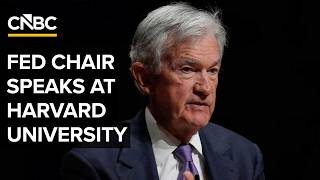
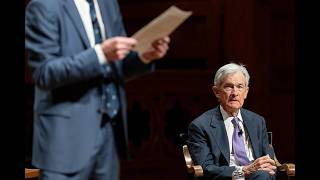
Fed's Powell Says Long-Term Inflation Expectations Well-Anchored
발언자
Jerome Powell
— Chair of the Federal Reserve
* 제롬 파월 연준 의장이 공급 충격인 에너지 가격 충격(예: 유가)에 대응하는 프레임워크를 설명함.
* 통화 정책 도구는 주로 총수요에 작용하며 공급에는 그렇지 않고, "길고 가변적인 시차(long and variable lags)"를 두고 작동한다고 명시함.
* 긴축 정책이 경제에 영향을 미칠 때쯤이면 충격이 이미 지나가 부적절한 경제적 부담을 초래할 수 있기 때문에, 역사적으로 일시적인 공급 충격은 "무시(look through)"하는 경향이 있다고 주장함.
* 이러한 접근 방식의 핵심 조건으로 중앙은행이 "인플레이션 기대치를 주의 깊게 모니터링"해야 함을 강조함.
* 반복적인 공급 충격은 대중과 기업이 장기 인플레이션 기대치를 상향 조정하게 만들 수 있다고 경고함.
* 현재 상황에서 인플레이션은 팬데믹 이후 하락하고 있으나 아직 2% 목표치에서 안정화되지 않았다고 언급함.
* 현재로서는 장기 인플레이션 기대치가 "잘 고정(well anchored)된 것으로 보인다"고 밝힘.
* 경제적 영향이 아직 미지수이므로 연준이 최근 지정학적 에너지 충격에 어떻게 대응할지에 대한 결정을 내릴 단계는 아니라고 시사함.
* 결론적으로 결정이 필요할 때 연준은 인플레이션 2% 목표에 확고히 도달하지 못했다는 "더 넓은 맥락을 염두에 둘 것"이라고 마무리함.