U.S. should not end Iran war efforts early, need to gain control of Strait: Atlantic Council's Kempe
Speakers
Fred Kemp
— CEO of the Atlantic Council
Amrita Sen
— Director of Research, Energy Aspects
Summary
- Fred Kempe argues the U.S. cannot "cut and run" from the Iran conflict prematurely, as doing so would reward Iran's destabilizing actions and leave the job unfinished.
- Kempe frames the situation as two concurrent wars: a U.S./Israel war on the Iranian regime and Iran's war on the global economy, with Gulf neighbors now aligned with the U.S. stance against Iran.
- He states a direct tension exists between the need to see the mission through and the resulting rise in oil prices the longer the conflict persists.
- A primary strategic objective for the U.S. is to gain control of or open the Strait of Hormuz, which is currently functionally "blocked," creating unsafe conditions for shipping.
- Kempe does not believe President Trump is looking for an "off-ramp," suggesting military action will continue as long as the Strait is blocked.
- Amrita Sen analyzes specific damage to Qatari LNG infrastructure from recent attacks, confirming at least two gas trains are damaged, with repair potentially taking "months, even over a year."
- Sen notes the market had been expecting an oversupplied gas market, which may have led to underinvestment in repair equipment, potentially slowing the recovery process further.
- The escalation to attacks on critical energy export infrastructure (like Qatari gas fields) marks a significant ratcheting up of the conflict's direct impact on global energy supply chains.
Ideas
Kempe explicitly states "the longer it goes on, the more energy prices are going to go up," linking prolonged conflict directly to higher oil prices. He later ties this to the blockage of the Strait of Hormuz. The U.S. strategic imperative is to not let Iran "get away" with destabilizing actions, requiring a continued military presence. This sustained conflict and the resulting blockade of a critical oil transit chokepoint (Strait of Hormuz) disrupts supply and creates risk premiums. LONG because the speaker's analysis presents a clear, direct causal chain from continued geopolitical escalation and strategic blockage to rising oil prices. A rapid de-escalation and reopening of the Strait of Hormuz, or a decisive U.S./allied military victory that quickly secures the waterway.
Sen confirms attacks have damaged at least two LNG trains in Qatar, with repair work estimated to take "months, even over a year," directly removing supply from the market. Prior market expectations of an oversupplied gas market may have reduced investment in readily available repair equipment, potentially extending the outage timeline. Physical damage to export infrastructure directly reduces available global LNG supply. LONG because the analysis points to a specific, tangible supply shock to the global LNG market with a duration measured in months to over a year, contradicting previous expectations of oversupply. Faster-than-expected repair of the damaged infrastructure, or other major LNG producers (e.g., U.S., Australia) ramping up supply to fill the gap more quickly than anticipated.
Up Next


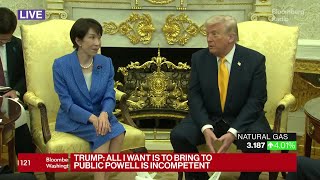

This CNBC video, published March 19, 2026, features Fred Kemp, Amrita Sen discussing USO, UNG. 2 trade ideas extracted by AI with direction and confidence scoring.
Speakers: Fred Kemp, Amrita Sen · Tickers: USO, UNG