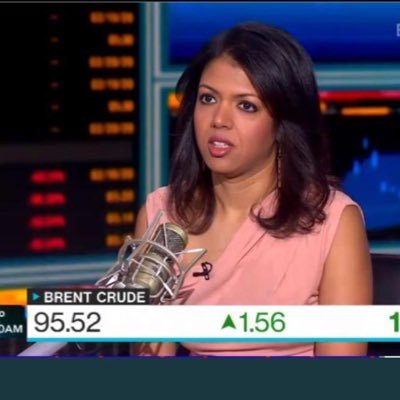
Amrita Sen explicitly states that oil prices will have a higher floor, minimum $70 to $80, probably closer to $100, given ongoing geopolitical issues and market tightness. Physical market indicators like dated Brent over $140 and high diesel prices show actual supply-demand tightness, while financial markets lag due to distortions. Prolonged Middle East war and a shift to a new normal support sustained elevated prices. Expectation of structurally higher oil prices justifies a LONG position to capture upside or hedge against inflation in the energy sector. Rapid resolution of geopolitical conflicts, significant increase in global oil supply, or effective government interventions could break the thesis and lower prices.
Amrita Sen explicitly states that oil prices will have a higher floor, minimum $70 to $80, probably closer to $100, given ongoing geopolitical issues and market tightness. Physical market indicators like dated Brent over $140 and high diesel prices show actual supply-demand tightness, while financial markets lag due to distortions. Prolonged Middle East war and a shift to a new normal support sustained elevated prices. Expectation of structurally higher oil prices justifies a LONG position to capture upside or hedge against inflation in the energy sector. Rapid resolution of geopolitical conflicts, significant increase in global oil supply, or effective government interventions could break the thesis and lower prices.
The real physical tightness is showing up in refined product markets rather than crude. Gasoline and diesel are exceptionally strong, and the diesel crack is historically higher than crude while the heating oil crack has traded above $100, implying flat heating oil prices around $190-200. This is the part of the oil complex that ultimately drives consumer prices.
Europe will not hit the minimum storage threshold for natural gas before winter, and we believe there is upside in European natural gas prices during winter Q1.