Oil Supply Risks Rise After Saudi Pipeline Attack
Summary
Saudi Arabia shut its East-West Pipeline as a precaution after multiple attacks, raising concerns about a key bypass to the Strait of Hormuz. Bloomberg Economics' Ziad Daoud says prolonged disruption could tighten global oil supplies and push crude and US diesel prices higher. He also notes that China's return as an oil buyer would add upward pressure, while the BRICS summit is being complicated by the Iran war.
- Saudi Arabia shut the East-West Pipeline as a precaution after multiple attacks.
- Ziad Daoud says the pipeline carries about 5% of global oil supplies and is the most important Hormuz bypass.
- Alternative Middle East export routes are not immune to war, attacks, or sabotage.
- Prolonged pipeline closure could deepen global energy shortages and support oil prices.
- US diesel prices are rising due to crude shortages and insufficient refining capacity.
- China's renewed oil purchases could add further upward pressure on crude prices.
- Higher diesel costs may feed inflation, while short-term policy options are limited.
- The BRICS summit is overshadowed by the Iran war and the UAE-Iran trade halt.
Ideas
Up Next


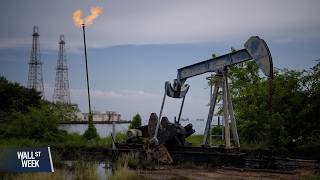


This Bloomberg Markets video, published September 12, 2026, features Ziad Daoud discussing WTI, DIESEL. 2 trade ideas extracted by AI with direction and confidence scoring.
Speakers: Ziad Daoud · Tickers: WTI, DIESEL