Trump’s Iran Ultimatum Heightens War Jitters | Insight with Haslinda Amin 04/07/2026
Speakers
Haslinda Amin
— Anchor, Bloomberg Television
Jomana Versace
— Horizons Middle East and Africa Anchor
Steven Step Krinsky
— Asia Energy Coverage Lead
Samir Puri
— Author, Westlessness
Vivian Balakrishnan
— Singapore Foreign Affairs Minister
Vandana Hari
— Founder of Vanda Insights
John Driscoll
— Director, GTD Energy Services
Masahiro Tsuji
— Senior Analyst, Bloomberg Intelligence
Summary
- President Trump's deadline for Iran to reopen the Strait of Hormuz threatens escalation, with US demands for free navigation and Iran counter-demanding control with fees up to $2 million per vessel.
- Oil markets exhibit indecisiveness; physical crude prices are significantly higher than futures benchmarks, with WTI trading at a record premium to Brent due to Asian buyers scrambling for supply.
- Supply disruptions are severe: approximately 10 million barrels per day of crude and refined products remain locked out from the Strait of Hormuz closure, with no near-term bypasses available.
- Market complacency is noted; Singapore's Foreign Minister warns that markets are not fully pricing the worst-case scenario from the Iran war, emphasizing unpreparedness for external shocks.
- Iran demonstrates asymmetric retaliation capabilities using low-cost drones, having inflicted extensive damage on Gulf energy infrastructure, which could take months or years to repair.
- Geopolitical risks extend to the Red Sea with Houthi involvement, adding another choke point threat that could further disrupt oil flows and infrastructure.
- Samsung reports an eightfold jump in preliminary quarterly profit driven by strong memory chip pricing, with estimated operating margins around 70% for memory chips.
- Broader implications include a potential new era of geopolitical conflicts threatening global oil supplies, leading to sustained premiums and inflation pressures.
- Diplomatic resolution is seen as unlikely by analysts, with an estimated 80% chance of no deal before the deadline, risking intensification of the war.
- The US has shifted military assets from Asia to the Middle East, raising concerns about vulnerabilities in the Indo-Pacific and the reliability of US security commitments.
Ideas
John Driscoll stated that physical oil prices are much higher than futures benchmarks, with WTI at a $4 premium to Brent and Saudis raising official selling prices to an all-time high, reflecting tight physical supply due to Strait of Hormuz closures. The disconnect between physical and futures markets indicates mispricing; with ~10 million barrels per day of supply locked out and no quick alternatives, prices should adjust upward as refiners face shortages and potential force majeure. WATCH due to impending supply shock and market underreaction, with prices poised to rise if disruptions persist. Diplomatic resolution reopening the Strait of Hormuz or a swift end to the conflict could alleviate supply pressures.
Masahiro Tsuji reported Samsung's preliminary quarterly profit increased eightfold, driven by strong DRAM and NAND flash memory pricing, with operating margins estimated around 70% for memory chips, surpassing Micron's performance. High memory chip prices are supported by robust demand, particularly for AI applications, and Samsung's cost advantages are likely to sustain earnings momentum into the next quarter. LONG as strong pricing power and margin expansion indicate continued profitability growth. Slowdown in global chip demand or a sharp correction in memory prices could erode earnings.
Up Next


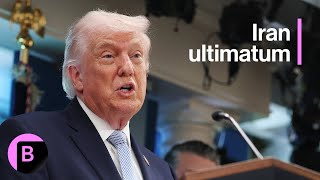


This Bloomberg Markets video, published April 07, 2026, features John Driscoll, Masahiro Tsuji discussing WTI, 005930.KS. 2 trade ideas extracted by AI with direction and confidence scoring.
Speakers: John Driscoll, Masahiro Tsuji · Tickers: WTI, 005930.KS