Trump Says US Willing to Escort Vessels Through Hormuz
Speakers
Donald Trump
— President of the United States
Justin Trudeau
— Prime Minister of Canada (Inferred Speaker based on context)
Summary
- The US has announced a willingness to militarily escort vessels through the Strait of Hormuz, a critical global oil chokepoint.
- Canada has explicitly distanced itself from this operation, stating they were not informed and suggesting the action may violate international law.
- The lack of allied cohesion suggests a unilateral US escalation in the Middle East, increasing the geopolitical risk premium on energy and shipping assets.
Ideas
Donald Trump
President of the United States
The US is deploying military assets to escort commercial vessels through the Strait of Hormuz. The Strait of Hormuz handles roughly 20% of the world's oil supply. The need for military escorts implies a credible, imminent threat to tanker traffic (likely from Iran). Historically, any militarization of this waterway adds a significant geopolitical risk premium to crude oil prices due to fears of supply disruption. LONG Oil (USO) and Energy Equities (XLE) to capture the risk premium spike. De-escalation or a successful diplomatic resolution that removes the threat to shipping without conflict.
Donald Trump
President of the United States
Vessels require US military protection to navigate the strait. When shipping lanes become "war zones," insurance premiums skyrocket and many operators refuse to transit, effectively reducing the global supply of available tankers. This supply shock drives up freight rates (Daily Tanker Rates) for those willing to sail or those with fleets positioned outside the conflict zone. LONG Tanker stocks (Frontline, Teekay) as beneficiaries of surging freight rates. Complete closure of the strait (volume drops to zero) or US Navy successfully neutralizing all threats immediately, normalizing rates.
Justin Trudeau
Prime Minister of Canada (Inferred Speaker based on context)
Canada claims the US action appears "inconsistent with international law" and was not coordinated with allies. This diplomatic rift indicates the US is adopting a unilateral, aggressive foreign policy stance ("America First" defense). Active naval escorts increase operational tempo (maintenance/fuel) and the likelihood of kinetic engagement (missiles/munitions). A more aggressive US military posture, independent of NATO/allied constraints, favors the US defense industrial base. LONG Defense Primes (Raytheon, Lockheed) and Naval Shipbuilders (Huntington Ingalls). Political backlash leading to funding cuts or isolationism that reduces deployment scope.
Up Next
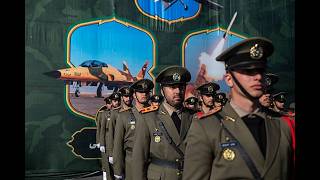
This Bloomberg Markets video, published March 04, 2026, features Donald Trump, Justin Trudeau discussing USO, XLE, TNK, FRO, HII, LMT, RTX. 3 trade ideas extracted by AI with direction and confidence scoring.
Speakers: Donald Trump, Justin Trudeau · Tickers: USO, XLE, TNK, FRO, HII, LMT, RTX