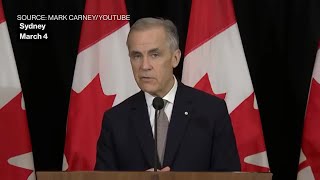
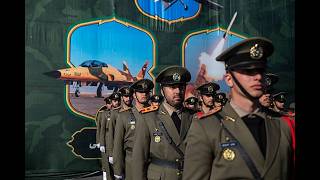
Iranian warship sunk by U.S. sub torpedo, says Defense Secretary Pete Hegseth
Speakers
Pete Hegseth
— Secretary of Defense
Summary
- The U.S. Navy has executed the first torpedo sinking of an enemy ship since WWII, destroying an Iranian warship in the Indian Ocean.
- The operation was described as a "reality check" rather than "mission accomplished," signaling ongoing and potentially escalating kinetic engagement with Iran.
- U.S. forces also eliminated the leader of a unit responsible for an assassination attempt on President Trump.
- The rhetoric suggests a shift from deterrence to active "control" of Iran via combined U.S. and Israeli combat power.
Ideas
Pete Hegseth
Secretary of Defense
"An American submarine sunk an Iranian warship... sunk by a torpedo. The first sinking of an enemy ship by a torpedo since World War II." This event explicitly validates the operational readiness and necessity of the U.S. submarine fleet. General Dynamics (GD) and Huntington Ingalls (HII) form the duopoly of the U.S. submarine industrial base. RTX Corp (formerly Raytheon) manufactures the MK 48 heavyweight torpedoes used by these subs. Actual combat usage triggers replenishment orders and justifies increased naval budget allocations. Long naval prime contractors and munitions manufacturers as the conflict shifts to the maritime domain. De-escalation or diplomatic treaties that reduce defense spending; supply chain bottlenecks in shipyard production.
Pete Hegseth
Secretary of Defense
"The combination of US and Israeli intelligence and combat power will control Iran and will control it soon." Direct kinetic warfare between the U.S. and Iran in the Indian Ocean creates an immediate geopolitical risk premium for energy. Iran's primary leverage in response to naval losses is often threatening the Strait of Hormuz, which would constrict global oil supply. Long oil exposure as a hedge against supply chain disruption in the Middle East. U.S. increases domestic production to cap prices; global demand destruction due to recession fears.
Pete Hegseth
Secretary of Defense
"We are fighting to win... This is simply a reality check." The Secretary of Defense is signaling a transition from a "cold" stance to active combat operations ("fighting to win"). This macro shift benefits the broader defense prime ecosystem beyond just naval assets, as air superiority and missile defense (specialties of Lockheed and Northrop) will be required to protect assets from Iranian retaliation. Long broad defense primes as the U.S. moves to a war-footing posture. Budget sequestration or political pushback against widening conflicts.