How Large is Iran's Offensive Arsenal?
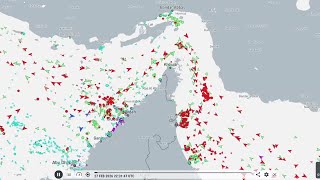
• 이란의 혁명수비대가 글로벌 에너지의 중요한 병목 지점인 호르무즈 해협에 대한 완전한 통제권을 주장하고 있습니다.
• 미군과 이스라엘군은 2,000개 이상의 목표물을 타격했으며, 이스라엘은 두 전선(이란과 헤즈볼라)에서 전쟁을 치르고 있습니다.
• 미국 자산에 대한 공격은 두바이에 있는 미국 영사관과 사우디아라비아에 있는 CIA 시설에 대한 실질적 공격으로 확대되었습니다.
• 역발상 인사이트: 확전에도 불구하고 이란/헤즈볼라의 발사 속도는 감소 추세에 있어, 며칠 내로 그들의 무기고가 고갈되어 잠재적으로 분쟁 기간을 제한할 수 있습니다.
아이디어
Stuart Livingstone-Wallace
Anchor/Analyst
이스라엘/미국이 '2,000개 이상의 목표물'을 타격했습니다. 이란은 '생산 비용이 엄청나게 저렴한' '샤헤드 드론'을 사용하는 반면, 이스라엘/미국은 요격 미사일을 소모하고 있습니다. 이는 소모전입니다. 대량의 드론 공격에는 값비싼 방어용 요격 미사일(패트리어트, 아이언 돔, 스탠다드 미사일)이 필요합니다. 이는 이러한 방공 시스템을 제조하는 주요 방산업체(레이시온, 록히드, 노스롭)에 즉각적인 재보충 수요를 창출합니다. 가속화된 백로그 재보충으로 방산 대형주 롱. 갑작스러운 휴전 또는 외교적 해결(GCC 장관들이 선호)은 밸류에이션 배수를 압축할 것입니다.
Dan Williams
Correspondent, Bloomberg
"해협을 통과하면서 일부 해군이 감수하고 있는 특정 위험이 있습니다." 호르무즈 해협의 불확실성으로 인해 유조선 운영사는 '전쟁 위험' 보험료와 운임을 크게 인상해야 합니다. 해협이 위험하지만 개방된 상태로 유지되면 유조선 회사(Frontline, Scorpio)는 급등하는 일일 운임으로 잉여 잉여현금흐름을 창출합니다. 운임 급등을 포착하기 위해 원유 유조선 롱. 해협의 완전 폐쇄(물량 제로) 또는 빠른 긴장 완화(운임 붕괴) 가능성.
Dan Williams
Correspondent, Bloomberg
이란이 "호르무즈 해협의 완전한 통제"를 주장하고 "두바이의 미국 영사관"과 "사우디아라비아의 CIA 시설"에 대한 공격을 시작했습니다. 호르무즈 해협은 세계에서 가장 중요한 석유 수송 병목 지점입니다. 사우디아라비아와 UAE(두바이)의 기반 시설에 대한 공격은 물리적 공급을 직접 위협합니다. 공급 경로가 위협받을 때, 지정학적 위험 프리미엄이 즉시 원유 선물에 가격에 반영됩니다. 공급 중단에 대한 헤지로 원유(USO) 및 에너지 주식(XLE) 롱. 분석가는 이란의 무기고가 "며칠 내에" 소진될 수 있어 전쟁 프리미엄이 빠르게 사라질 것이라고 지적합니다.
다음



This Bloomberg Markets video, published March 04, 2026, features Stuart Livingstone-Wallace, Dan Williams discussing NOC, LMT, RTX, FRO, STNG, XLE, USO. 3 trade ideas extracted by AI with direction and confidence scoring.
Speakers: Stuart Livingstone-Wallace, Dan Williams · Tickers: NOC, LMT, RTX, FRO, STNG, XLE, USO