Ideas
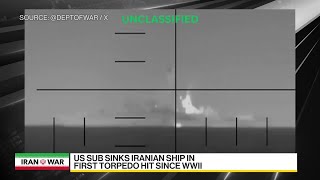
Brent crude is up ~17% and Shanghai crude is up ~40% following reports that a US submarine sank an Iranian warship. The conflict is widening (involving US direct military assets), which threatens global energy supply chains. While equities are ignoring this, the bond market is pricing in sustained inflation. Energy stocks and commodities are the direct hedge against this escalation. LONG energy producers and oil futures proxies as a geopolitical hedge. Rapid de-escalation or diplomatic resolution (though Trump's stance suggests otherwise).
Premier Li explicitly highlighted a 28% rise in industrial robots and 10.9% in integrated circuits. He announced an "AI Plus initiative" and emphasized "New Productive Forces" over traditional property investment. The Chinese state is directing capital and policy support specifically toward high-tech manufacturing, robotics, and AI to replace the property growth engine. Companies in these sectors will receive subsidies, easier financing, and protection. LONG China Tech and Robotics themes (via ETFs to avoid single-stock regulatory risk). US sanctions on Chinese tech/chips or failure of domestic demand to absorb supply.
The anchor notes that "defense stocks... is the one where... people have said defense is still kind of that bright spot given some of the geopolitical situation." The specific mention of a US submarine engaging an Iranian warship indicates a shift from proxy war to direct conflict. This guarantees sustained or increased defense spending and replenishment of munitions. LONG US Defense Prime Contractors. Budgetary constraints in the US or a sudden ceasefire.
The Premier stated the "old growth model of investment property is really starting to falter." The stimulus announced is for debt swaps (local gov) and high-tech, not bailing out developers or igniting a property boom. The government is managing the decline of the property sector, not saving it. Without direct, massive liquidity injections into real estate, the sector will continue to drag on growth. AVOID China Real Estate. Surprise announcement of a massive property bailout fund (unlikely given the "pragmatic" tone).
Cranfield notes that "Silver cracked first" before the Korean equity crash, serving as a leading indicator for liquidity drying up. Silver often acts as a high-beta liquidity gauge. If Silver fails to hold its rebound while equities rally, it suggests the equity rally is a "head fake" and further downside is coming. WATCH Silver price action; if it rolls over, reduce risk in high-beta equities (like Korea or Tech). Silver can be manipulated or disconnect from macro due to industrial demand.
South Korea experienced its "worst day on record" followed by a 10-12% bounce. Cham notes "fundamentals are still resilient" and earnings consensus for semiconductors is rising. The crash was driven by retail leverage unwinding (margin calls), not a change in business value. With memory chip demand (AI/Tech) remaining strong, the sell-off offers a discount on high-quality tech exposure. MU (Micron) is the closest US proxy to SK Hynix/Samsung dynamics. LONG South Korea ETF or Memory proxies to capture the mean reversion. Continued foreign capital outflows or further escalation in Asian geopolitical tensions.
This Bloomberg Markets video, published March 05, 2026,
features Yvonne Man, Li Qiang, David Ingles, Mark Cranfield, Jonathan Cham
discussing XLE, OXY, USO, CQQQ, KWEB, BOTZ, RTX, LMT, ITA, CHIR, SLV, MU, EWY.
6 trade ideas extracted by AI with direction and confidence scoring.
Speakers:
Yvonne Man,
Li Qiang,
David Ingles,
Mark Cranfield,
Jonathan Cham
· Tickers:
XLE,
OXY,
USO,
CQQQ,
KWEB,
BOTZ,
RTX,
LMT,
ITA,
CHIR,
SLV,
MU,
EWY