AI’s Hidden Housing Boom
Speakers
Narrator
— Financial/Tech Reporter
Industry Commentators
— Unnamed Locals and Experts
Summary
- The AI infrastructure build-out is shifting from major hubs (Silicon Valley) to rural areas (Texas, Louisiana) due to land cost, zoning flexibility, and power availability.
- A critical bottleneck has emerged: Housing. Rural infrastructure cannot support the influx of thousands of construction workers, leading to a boom in high-end temporary workforce housing ("mancamps").
- Labor shortages (specifically electricians) are forcing construction firms to offer luxury amenities (golf simulators, steak dinners) in these remote camps to attract talent.
- The "Second-Order" trade is not the AI chips, but the physical support layer: remote lodging, specialized electrical contracting, and heavy equipment rental.
Ideas
"We have a lot of these sort of single lane county roads, and they're not built for rows and rows of heavy duty trucks driving on them all day." Remote, short-duration construction projects do not favor buying equipment; they favor renting. United Rentals (URI) is the dominant player for heavy machinery in North America. The deterioration of roads also implies a secondary cycle of civil infrastructure repair, further benefiting equipment lessors. LONG. High utilization rates in remote geographies drive higher margins for rental fleets. Cyclical downturn in general construction could offset AI-specific gains.
"We're seeing a wide range of companies get into this... all the way up to major publicly traded corporations helping house workers. They've helped with oil and gas and the shale boom." The speaker explicitly describes the business model of Target Hospitality (TH) and Civeo (CVEO). These firms specialize in turnkey workforce housing ("mancamps") for the energy sector and are now pivoting to support the AI/Data Center construction boom in remote regions where hotels are non-existent. LONG. These companies possess the existing fleet and logistical expertise to deploy thousands of beds instantly, giving them a moat against local "wiley" competitors. Regulatory pushback from local municipalities regarding "temporary villages" or a sudden halt in AI Capex spending.
"Roles for electricians, a particular bottleneck for AI construction are expected to grow by 9%... negotiate things like power arrangements." The bottleneck isn't just labor; it's *specialized* labor capable of grid-scale interconnects. Quanta Services (PWR), EMCOR (EME), and MasTec (MTZ) are the primary beneficiaries of the "electrification of everything." They are the only firms with the scale to handle the complex power negotiation and installation required for GW-scale data centers in rural Texas. LONG. Pricing power has shifted to the service providers due to the scarcity of skilled electricians. Project delays due to transformer shortages or permitting issues could delay revenue recognition.
Up Next



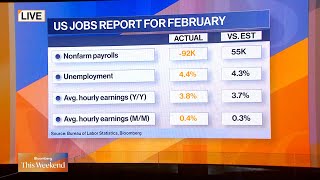

This Bloomberg Markets video, published March 07, 2026, discussing URI, CVEO, TH, EME, PWR, MTZ. 3 trade ideas extracted by AI with direction and confidence scoring.