IEA Proposes Largest Oil Stockpiles Release in Its History
Speakers
Anthony
— Energy Analyst / Guest
Financial Commentator
— Analyst/Host
Summary
- The Strait of Hormuz is currently closed due to conflict, trapping oil tankers and creating a massive 13 million barrel per day supply shortfall.
- The IEA and G-7 are proposing a historic release of 300 to 400 million barrels from strategic stockpiles to stabilize the market.
- This stockpile release is strictly a short-term band-aid; it covers roughly one month of the supply deficit and has temporarily pushed oil prices down from over $100 per barrel.
- The long-term market reaction depends entirely on whether the Strait of Hormuz reopens before the IEA stockpiles are exhausted.
Ideas
"It's going to be a short term solution because those stockpiles are in oil in storage that they can release once and then once they've used it, they don't have it anymore." The announcement of a 300-400 million barrel release is currently suppressing oil prices, acting as a temporary shock absorber. However, this is a finite, one-time use supply that only covers about 30 days of the 13 million barrel per day shortfall. Once the market digests the release, or if the stockpile begins to run dry without the Strait reopening, the underlying structural deficit will violently reassert itself. WATCH USO for a near-term floor. The artificial supply creates a temporary ceiling on prices, but presents a highly asymmetric setup to go LONG just before the 30-day buffer expires if the geopolitical situation remains unresolved. The conflict de-escalates and the Strait of Hormuz reopens before the stockpiles are depleted, allowing normal Middle Eastern supply to resume and keeping oil prices suppressed.
"Tankers are stuck inside the Persian Gulf, filled with oil or they're outside and can't get into load." A significant percentage of the global oil tanker fleet is now physically trapped or idling uselessly around the Persian Gulf. This creates an immediate and severe artificial scarcity of available vessels globally. Tanker operators with fleets positioned outside the conflict zone (e.g., in the Atlantic, US Gulf Coast, or North Sea) will have immense pricing power, driving spot day-rates to astronomical levels as charterers bid up the remaining free fleet. LONG oil tanker operators with global fleets. The sudden reduction in effective vessel supply will directly translate to surging freight rates and massive short-term cash flow generation. The Strait reopens quickly, releasing the trapped vessels back into the global pool and instantly normalizing freight rates.
"We've got roughly a 13 million barrel hole to fill. So, you know, we're looking at kind of about a month or so of supply that that IEA would cover." With 13 million barrels per day of Middle Eastern oil completely cut off from the global market, refiners and consumer nations will desperately scramble to secure alternative, politically stable energy sources. US-based exploration and production companies, particularly those with heavy exposure to the Permian Basin or offshore assets outside the conflict zone, will capture massive market share and benefit from sustained premium pricing once the IEA band-aid wears off. LONG US energy producers and supermajors. They are perfectly positioned to monetize the global supply shock without bearing the direct geographic risks of the Middle East conflict. A rapid diplomatic resolution reopens the Strait, flooding the market with delayed Middle Eastern oil and crashing the premium currently priced into Western producers.
Up Next

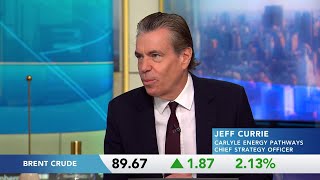

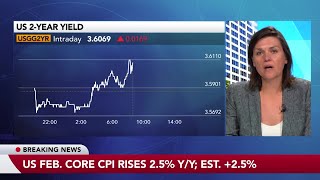

This Bloomberg Markets video, published March 11, 2026, features Anthony DiPaola discussing USO, FRO, STNG, INSW, OXY, XLE, CVX. 3 trade ideas extracted by AI with direction and confidence scoring.
Speakers: Anthony DiPaola · Tickers: USO, FRO, STNG, INSW, OXY, XLE, CVX