US Core Inflation Slowed in February Ahead of War With Iran
Summary
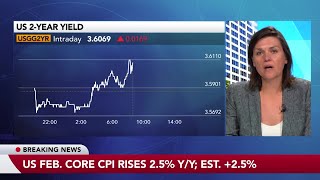
- February headline CPI rose 0.3 percent bringing the year-over-year rate to 2.4 percent, while core CPI rose 0.2 percent for a 2.5 percent year-over-year rate.
- The current inflation data represents a pre-war baseline, with an impending conflict with Iran threatening to disrupt the macroeconomic landscape.
- Oil prices have already surged from the $60 range into the $80 range, with triple-digit oil prices becoming a realistic near-term threat.
- The primary macroeconomic risk is energy inflation bleeding into core inflation via secondary channels like fertilizer and consumer products.
- Housing inflation data in the current CPI report is artificially biased downward due to a government shutdown, masking the true underlying shelter costs.
Ideas
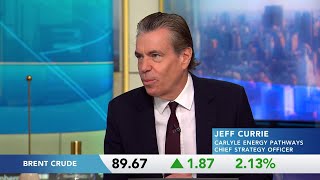
How are things going into this spike in energy? Energy, which was in the sixties and it's now deep into the eighties, threatening to break back into the nineties in a material basis. And given the move we had on Sunday night, who knows, we could go back to triple digits again. A geopolitical conflict with Iran directly threatens Middle Eastern oil supply and transit routes like the Strait of Hormuz. This creates a massive supply shock and war premium, driving crude prices toward $100 or more. Major US oil producers and broad energy sector equities will capture massive margin expansion and free cash flow from this sustained price spike. LONG US energy majors and broad energy indices as they are direct beneficiaries of a Middle East supply shock and rising oil prices. The conflict de-escalates quickly, or OPEC+ floods the market with spare capacity, crashing oil prices back to the $60 range.
It's when it gets into the core, when it starts. Some of the that Lisa was talking about fertilizer, for example, when it starts to get into some of the consumer products out there, that would be a concern. Fertilizer production, especially nitrogen-based, is highly energy-intensive and relies heavily on natural gas and petroleum products. A global energy price spike increases the cost of production worldwide. North American producers with access to relatively cheaper domestic natural gas will gain a massive competitive advantage and pricing power over international competitors who are facing severe energy inflation. LONG North American fertilizer producers as secondary beneficiaries of the global energy shock and rising agricultural input costs. Agricultural demand destruction if farmers refuse to buy at elevated prices, or if underlying crop prices fall, squeezing farmer margins.
The Fed will look through that and expect it to be temporary. It's when it gets into the core... when it starts to get into some of the consumer products out there, that would be a concern. If energy prices stay elevated long enough to bleed into core inflation via transport, manufacturing, and agricultural costs, the Federal Reserve will be forced to abandon any planned rate cuts. Combined with the fact that housing inflation is currently underreported due to a government shutdown, true core inflation is likely stickier than the Fed expects. This higher-for-longer rate environment will drive long-end yields higher, crushing the value of long-duration bonds. SHORT long-duration Treasuries as sticky core inflation and energy shocks will prevent the Federal Reserve from cutting interest rates. The war causes a severe global recession and a massive flight to safety, prompting investors to buy US Treasuries regardless of inflation, driving yields down.
Up Next



This Bloomberg Markets video, published March 11, 2026, features Mike Feroli discussing XLE, XOM, CVX, NTR, CF, MOS, TLT. 3 trade ideas extracted by AI with direction and confidence scoring.
Speakers: Mike Feroli · Tickers: XLE, XOM, CVX, NTR, CF, MOS, TLT