Jeremy Siegel: Oil could hit $100 if no breakthrough in Iran
Speakers
Jeremy Siegel
— Professor of Finance, Wharton School
Scott Wapner
— Host, CNBC
Summary
- Jeremy Siegel predicts oil could spike to $100/barrel in the immediate short term (next week) if there is no geopolitical breakthrough regarding Iran/shipping disruptions.
- He forecasts a potential 5-10% market correction, noting that the "oil shock" headwinds outweigh the benefits of tax refunds.
- Despite short-term bearishness, Siegel remains "bullish on everything" for the long term, citing strong GDP estimates (>3%) and exploding productivity.
- He dismisses systemic risks to banks, arguing that US energy independence prevents the type of recession that causes loan book failures, though he warns the Private Credit sector is overcrowded and due for losses.
Ideas
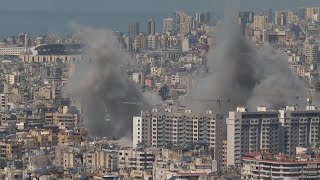
Siegel states, "If we don't get some breakthrough over the weekend... I think we'll see $100 oil up next week." He notes shipping shutdowns "cannot be fixed overnight." Geopolitical tensions and supply chain disruptions in the Gulf are creating an immediate supply shock. With oil starting the year under $60, a move to $100 represents a massive repricing event that liquid oil funds will track. Long oil exposure captures the geopolitical risk premium. A sudden diplomatic breakthrough or ceasefire would cause the "coiled market" to spring up and oil to crash.
Siegel says, "I wouldn't be surprised to see a correction... we're not even the pullback zone yet, which is, you know, 5 to 10%." Rising gasoline prices act as a tax on the consumer, overpowering the stimulus effect of tax refunds. This macro headwind justifies a valuation reset (correction) in the broader indices before the long-term bull trend resumes. Shorting the index hedges against the predicted 5-10% drawdown driven by the energy shock. Siegel notes that if the war resolves, the market is a "coiled spring" that will rally hard.
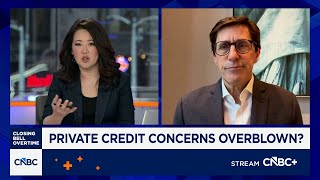
Siegel observes, "I do believe that the space [Private Credit] got overcrowded and I'm... would not be surprised to see some investors in that space taking some big losses." While spreads haven't blown out yet, the "overcrowded" nature of the trade implies too much capital chasing too few good deals. When liquidity tightens or credit turns, the major alternative asset managers exposed to this space face performance drag and valuation compression. Avoid the sector until the "big losses" Siegel predicts have flushed out the excess. These firms are highly diversified; if the economy remains as strong as Siegel's GDP forecast suggests, defaults may remain low.
When asked about bank risks, Siegel argues, "The only way the banks are going to be taking big losses, if we have a recession... slow down, no recession." Unlike the 1970s, the US now has "virtual energy independence," meaning high oil prices are less likely to trigger a recession. If there is no recession, bank loan portfolios remain healthy, making the sector's recent poor trading an opportunity. Long Financials as a contrarian play against recession fears. If oil prices go significantly higher than $100 for a sustained period, it could force a recession despite energy independence.