Roubini Says Iran War Has Been a Failure for Trump
Speakers
Nouriel Roubini
— Chairman, Roubini Macro Associates
Summary
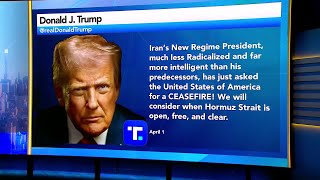
- Roubini frames the U.S. geopolitical stance on the Iran war around two core options: de-escalate for a ceasefire or escalate to win militarily.
- De-escalation risks ceding control of the Strait of Hormuz to Iran, enabling accelerated development of ballistic missiles, drones, and nuclear weapons.
- The conflict has been a political failure for President Trump, but walking away could ensure losses in the upcoming midterm elections, including the Senate.
- Roubini's base case is escalation—finishing the job to reopen the Strait of Hormuz, collapse the Iranian regime, and achieve Middle East stability.
- Key escalation risk: failure could lead to further blockage of the Strait, triggering 1970s-style stagflation in the global economy.
- He views escalating and winning as more likely than escalating and losing, but acknowledges the high-stakes gamble.
- Broader market implication: geopolitical instability poses significant downside risks to oil supply and could precipitate stagflationary pressures.
- The analysis underscores extreme political and economic uncertainty, with outcomes hinging on U.S. strategic choices.